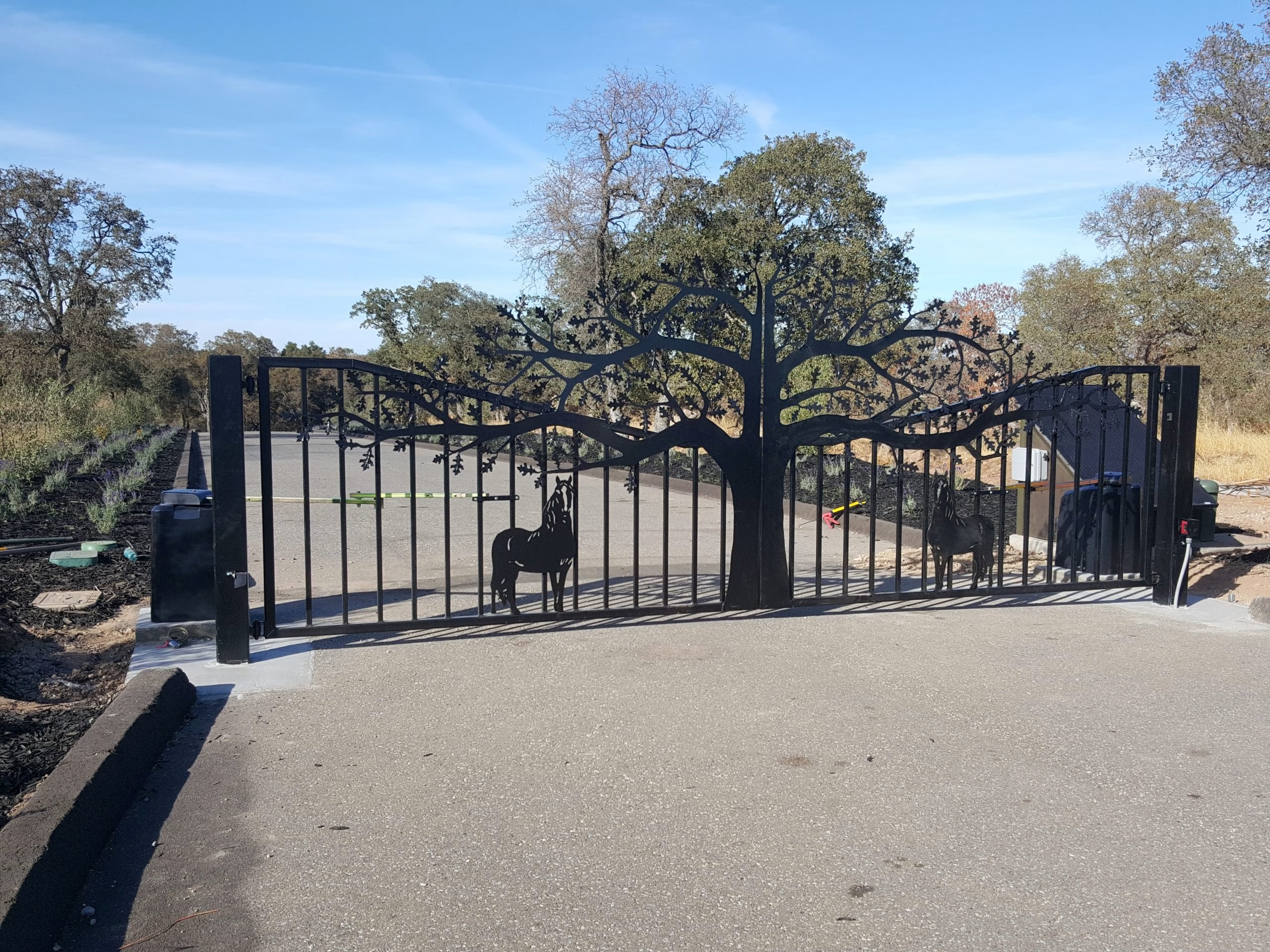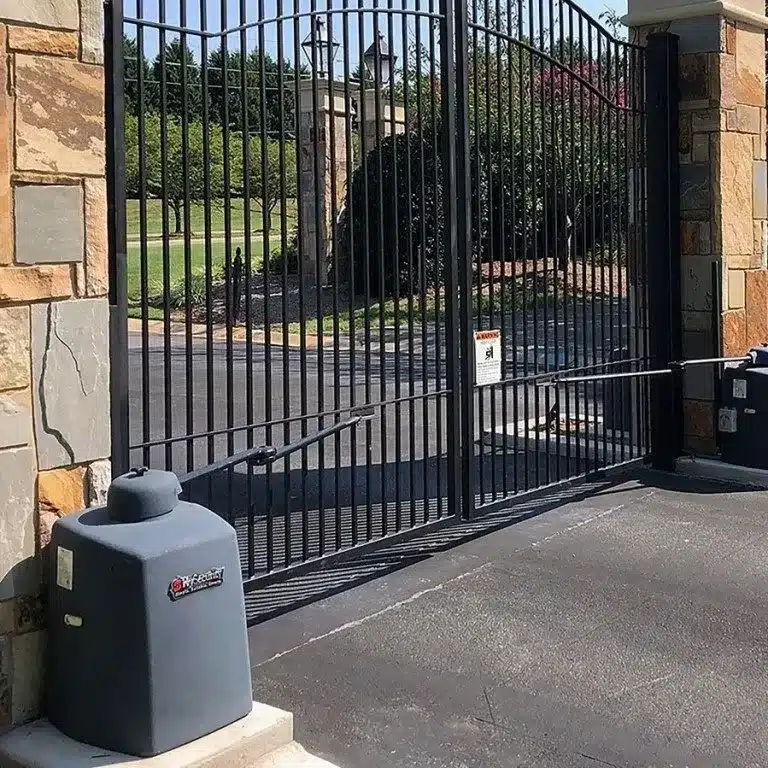
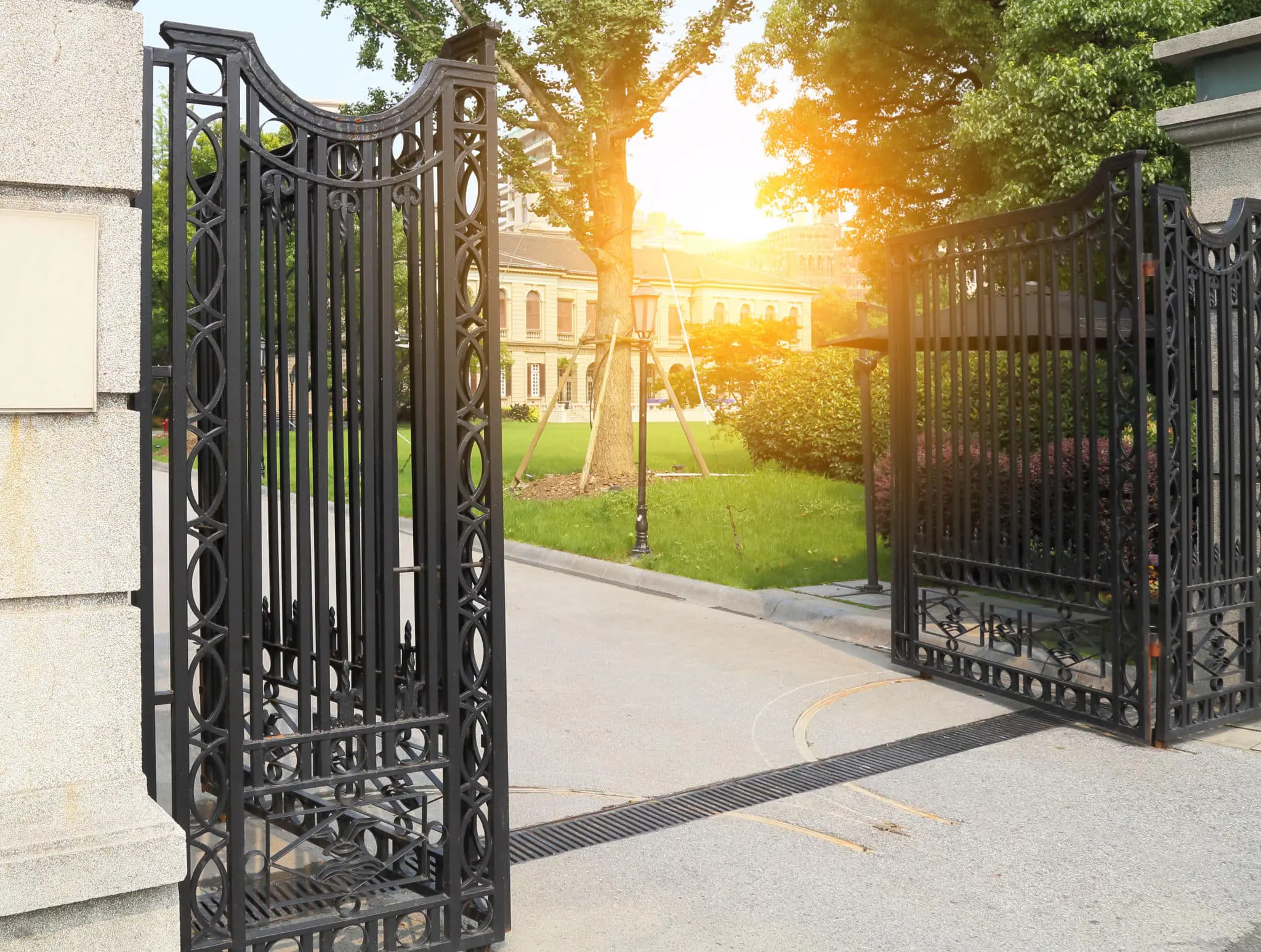
Getting a pedestrian gate is a significant decision that involves careful planning around size, material, hardware, and local permit requirements. Each of those factors directly affects how well the gate performs, how long it lasts, and whether it truly meets the needs of the property.
A well-planned pedestrian gate installation starts with knowing exactly what the property needs, what the regulations require, and what questions to ask a professional before any work begins. This guide covers all the important factors property owners need to know before getting a pedestrian gate.
What Is a Pedestrian Gate & How Does It Work?
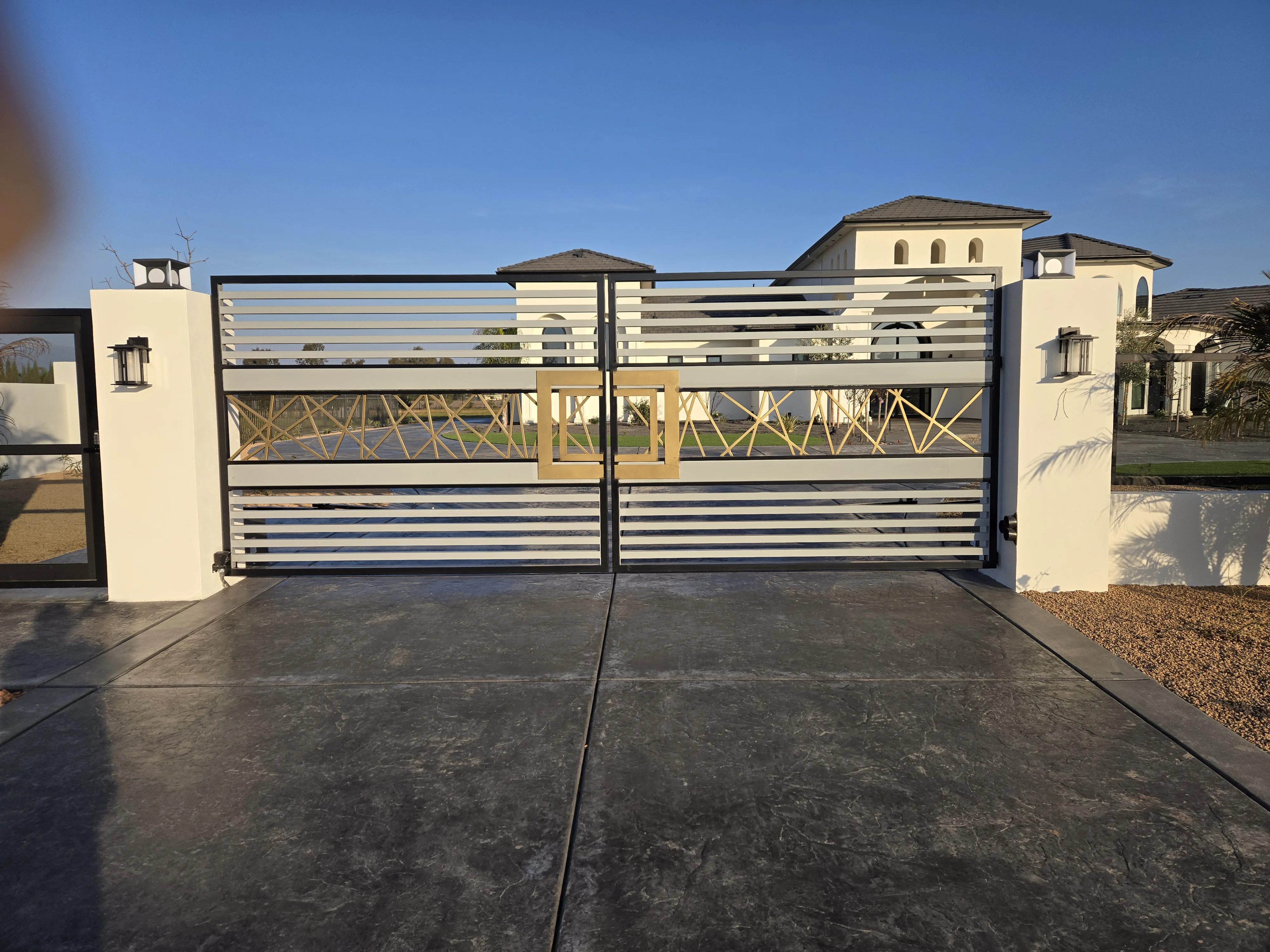
A pedestrian gate is a single-entry gate designed for foot traffic that provides property owners with controlled, secure access along a fence line, courtyard, or garden gate opening, without the need for a full vehicle gate.
Here is how a pedestrian gate is used:
- Provides a dedicated pedestrian entry along a fence line or courtyard
- Controls who enters and exits a residential property
- Keeps children and pets contained while allowing easy access for adults
- Swings inward or outward depending on available space and site conditions
- Enhances aesthetic appeal while serving a clear functional purpose
To understand how pedestrian gate dimensions and design choices affect installation outcomes, read our guide on What Is a Pedestrian Gate Design and Size Guide?, which covers how gate size and design influence every decision before installation.
Why a Pedestrian Gate Matters for Sacramento Properties
A pedestrian gate provides a practical, long-lasting solution for security, safety, and curb appeal, all in a single installation.
Here is why a pedestrian gate matters:
- Adds a physical barrier that controls access and limits unauthorized entry into the property
- Keeps children and pets safely contained within the yard at all times
- Improves the overall aesthetic appeal and boosts property value
- Works alongside existing fencing to strengthen the property’s security features
- Provides a dedicated pedestrian access point without disrupting the main vehicle entry
Understanding these benefits is what makes the planning process more focused and the final decision much easier.
What to Consider Before Getting a Pedestrian Gate
Purpose and Traffic Flow
Daily use patterns are the foundation of every decision a property owner makes about gate size, hardware, and materials.
Consider these traffic and usage factors:
- Self-closing mechanisms and gate operators are necessary for high-frequency daily gate use
- Gate width must accommodate mail carriers and service personnel comfortably
- Households with children or pets require specific latch heights and gap spacing
- High-frequency use calls for heavier-duty hinges and hardware
- Pedestrian entry points near driveways need extra clearance
Matching the gate’s hardware and design to its actual daily use drives long-term performance and functionality.
Swing Direction and Clearance
Swing direction is one of the most overlooked decisions in pedestrian gate planning, yet it determines how safe and functional the gate will be after installation.
Keep these swing direction factors in mind:
- Inward-swinging gates are preferred for safety along public footpaths
- Outward-swinging gates must never encroach on public roads or sidewalks
- Mapping the full swing arc reveals conflicts with landscaping and downspouts
- The available space between gate posts determines which swing direction is possible
- Sloped ground affects swing clearance and may require fabrication adjustments
Carefully planning the swing direction ensures the gate opens fully, operates smoothly, and fits within the available space without obstruction.
Material Selection
Material choice directly shapes the gate’s durability, maintenance requirements, and visual fit with the surrounding fence.
Factor in these material considerations:
Material | Durability | Maintenance | Best For |
Steel | Excellent | Low — benefits from a quality powder coat finish | Security-focused residential properties |
Fiberglass | Very Good | Low — resists moisture and impact well | Coastal and high-humidity environments |
Vinyl | Good | Very Low — no painting or sealing required | Low-maintenance residential properties |
Composite | Very Good | Low — resistant to rot and weathering | Properties needing wood aesthetics with less upkeep |
Wood | Moderate | High — requires regular sealing and painting | Properties prioritizing a classic natural look |
To see which material holds up best for residential pedestrian gates, read our guide on Pedestrian Gate Materials: Which One Lasts Longest?, which breaks down durability and long-term performance for each option.
Hardware and Lock Options
Gate hardware is the foundation of the entire security system, and choosing the wrong components affects both performance and protection.
Evaluate these hardware and security factors:
- Hinges must be heavy-duty and rated for the gate’s weight to prevent sagging
- Gravity latches offer minimal protection against forced entry
- Keyed deadbolts and digital keypads provide stronger access control
- Automated gate systems allow remote monitoring and keyless entry through a smartphone
- Reinforced frames and anti-climb designs add protection for specific security requirements
To find the lock option that best fits the property’s security needs, read our guide on Pedestrian Gate Lock Options: What Works Best?, which breaks down every option from basic latches to smart access systems.
Pedestrian Gate Size and Design
Getting the gate size and design right from the start prevents installation delays and performance issues.
Keep these size and design factors in mind:
- Standard pedestrian gate width typically falls between 36 and 48 inches
- Pedestrian gate dimensions must account for the surrounding fence height
- Standard fence gate width should always be physically measured before ordering
- Pedestrian gate ideas that complement the fence style create a cohesive exterior
- Gate posts must be properly spaced to support the chosen gate design and hardware
Selecting a gate size and design that meets both functional and aesthetic goals ensures a finished installation that performs well for years.
Local Regulations and HOA Requirements
Understanding local rules and permit requirements before installation begins protects property owners from delays and forced removal.
Review these regulatory factors:
- Sacramento zoning laws may require permits depending on gate height and placement
- HOA guidelines often restrict gate styles, colors, and maximum allowable heights
- Setback requirements determine gate positioning from property lines
- Some municipalities require post-installation inspections for code compliance
- Accessibility standards may apply to properties with shared access points
Verifying all local regulations and HOA requirements before installation keeps the project on schedule and fully compliant.
Mistakes Most Homeowners Make Before Getting a Pedestrian Gate
Avoiding common planning mistakes is just as important as choosing the right gate, material, and hardware for the property.
Here are the most common mistakes to avoid before getting a pedestrian gate:
- Choosing gate style and design without considering daily functionality and traffic flow
- Ignoring swing direction and available space before finalizing the installation plan
- Skipping a professional site assessment before ordering materials or hardware
- Overlooking local permit requirements and HOA restrictions before installation begins
- Selecting hardware that does not match the gate’s weight, size, or security needs
Knowing these mistakes in advance gives property owners a much stronger foundation for a successful installation of a pedestrian gate.
Pedestrian Gate Installation and Cost in Sacramento
What the Installation Process Looks Like
Professional pedestrian gate installation follows a structured process that ensures the gate is properly set, aligned, and secured from the ground up.
Here is what to expect during installation:
- Site assessment confirms measurements and post placement
- Gate posts are set in concrete before the gate is hung
- Hinges, latches, and locks are installed and adjusted for smooth operation
- Gate operators and automation components are tested before completion
- Final adjustments ensure the gate swings freely and aligns with the fence
Working with a licensed gate professional ensures every step of the installation process is completed correctly and built to last.
Factors That Affect the Overall Cost
Understanding the key cost variables before requesting a quote helps property owners plan and budget more accurately for a pedestrian gate installation.
Key cost factors to review before requesting a quote:
- Material selection is one of the biggest cost drivers
- Gate width and height affect material quantities and labor
- Hardware upgrades, including smart locks and automated gate systems, add to the investment
- Custom pedestrian gate design requires additional fabrication time
- Permit fees and site preparation vary by location and project scope
Requesting a detailed quote from a licensed gate professional is the most accurate way to understand the full investment.
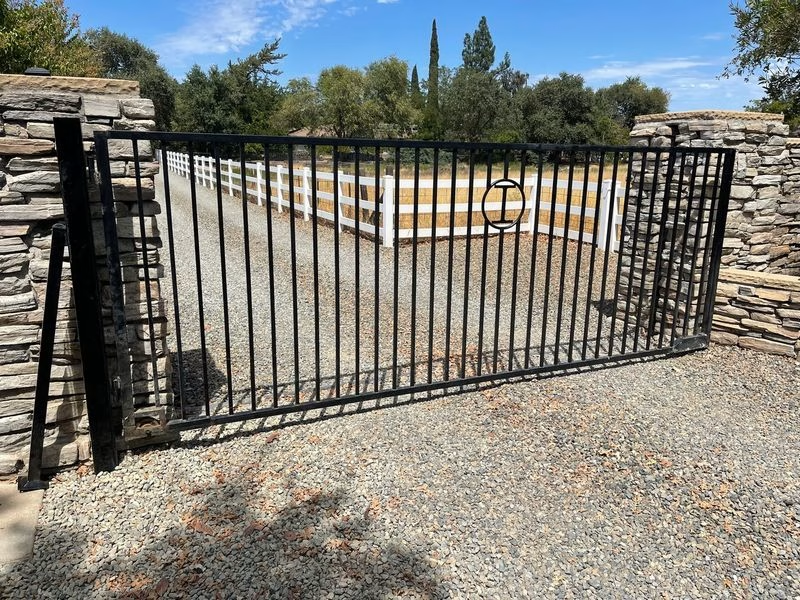
Plan Smart Before Getting a Pedestrian Gate
A pedestrian gate is a long-term investment that requires careful planning around size, material, hardware, local regulations, and installation requirements. Knowing what to consider, what mistakes to avoid, and what the process entails leads to a stronger, more informed decision before any work begins.
Whether you live in Auburn, Elk Grove, Folsom, Rancho Cordova, Citrus Heights, Galt, West Sacramento, East Sacramento, Land Park, Natomas, Oak Park, Davis, Roseville, or Rocklin, Central Valley Gates & Access Controls can secure your property and make your home into your castle!
Contact us or give us a call today, and we will walk you through everything you need to plan and install the right pedestrian gate for your property.