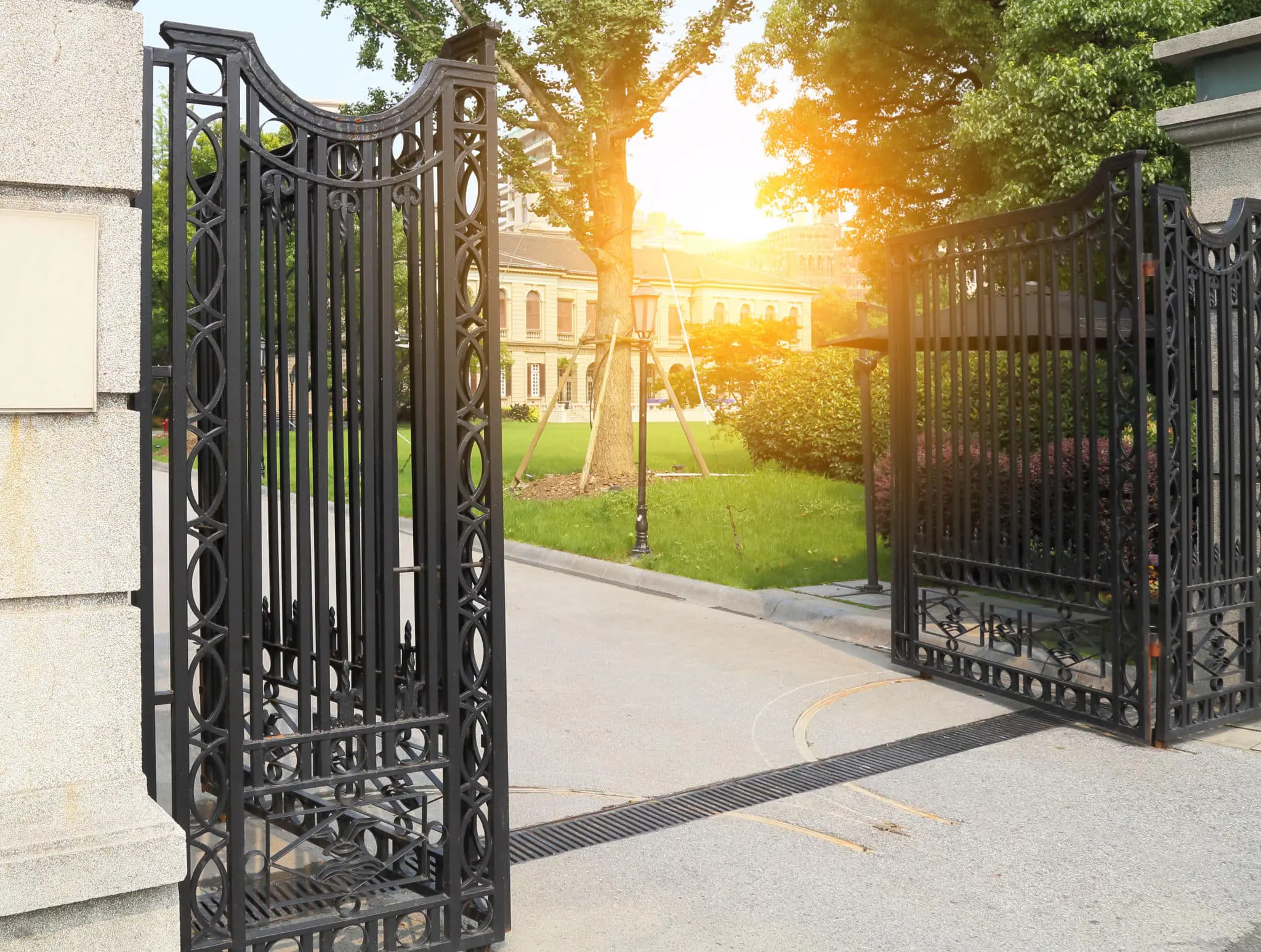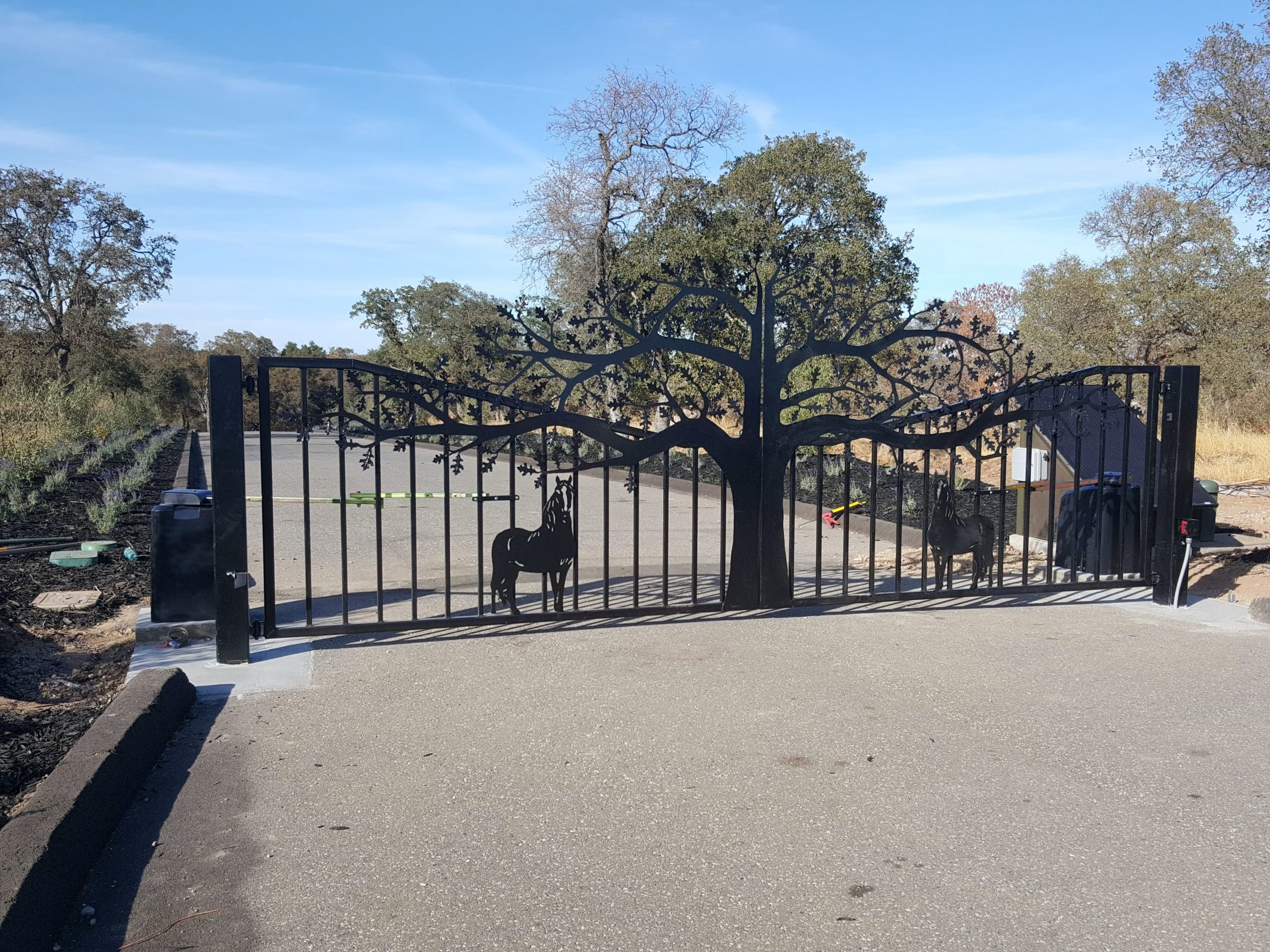
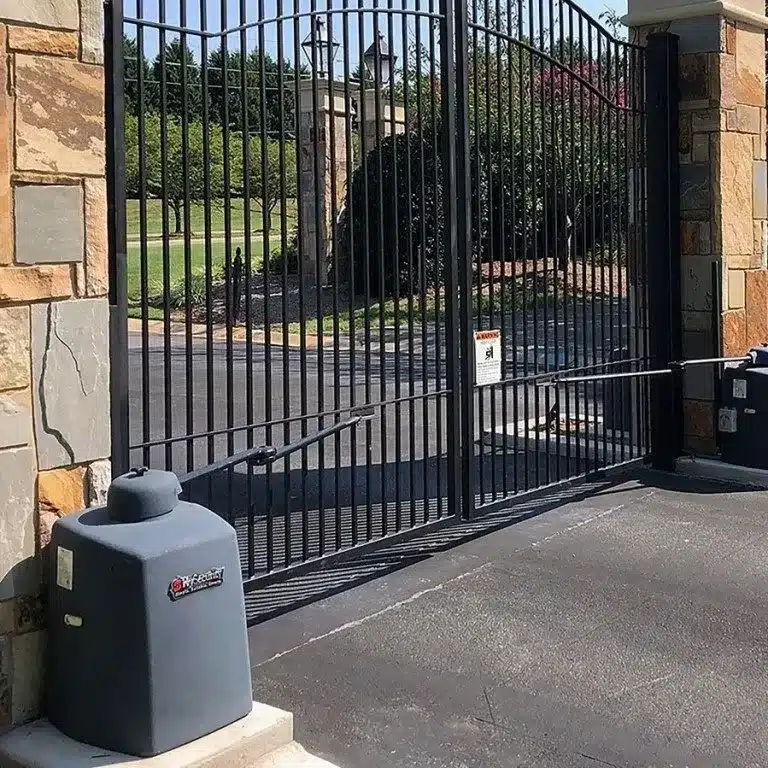
A pedestrian gate is only as strong as the material it is made of, and that material determines how many years it will serve a property before it needs repair or replacement. Material choice drives everything from maintenance frequency to how well the gate holds up against daily use and weather exposure over time.
Pedestrian gate installation decisions often come down to cost and appearance, but the material selected determines long-term performance. This guide breaks down the most common pedestrian gate materials, compares how long each lasts, and explains why some materials outlast others by decades.
Why Does Gate Material Choice Actually Matter?
Gate material determines how well a pedestrian gate withstands Sacramento’s intense heat, UV exposure, and seasonal rain cycles, which put constant stress on surfaces, frames, and hardware over time.
Key reasons why gate material choice actually matters include:
- Material is the single biggest factor in how long a pedestrian gate lasts
- Maintenance frequency depends entirely on what the gate is made of
- Gate traffic and daily use break down weaker materials far faster
- Wrong material selection accelerates wear on hinges, posts, and hardware
- A poor material choice leads to structural failure well before the expected lifespan
To understand how sizing and layout decisions work alongside material selection, read our guide on What Is a Pedestrian Gate Design and Size Guide?, which covers everything Sacramento property owners need to plan before installation begins.
Common Pedestrian Gate Materials and How Long They Last
Steel — 30 to 70+ Years
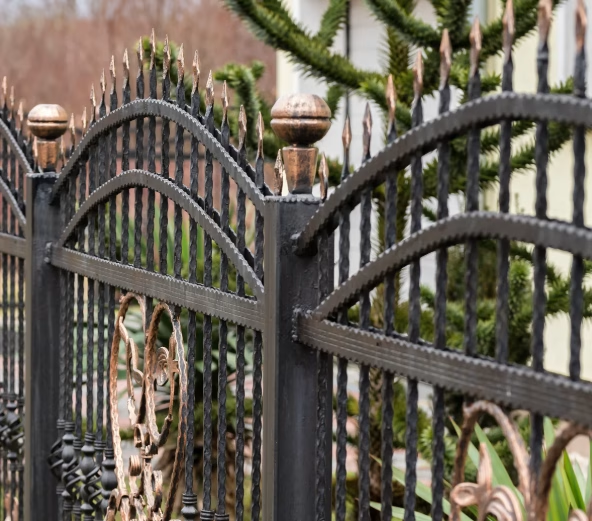
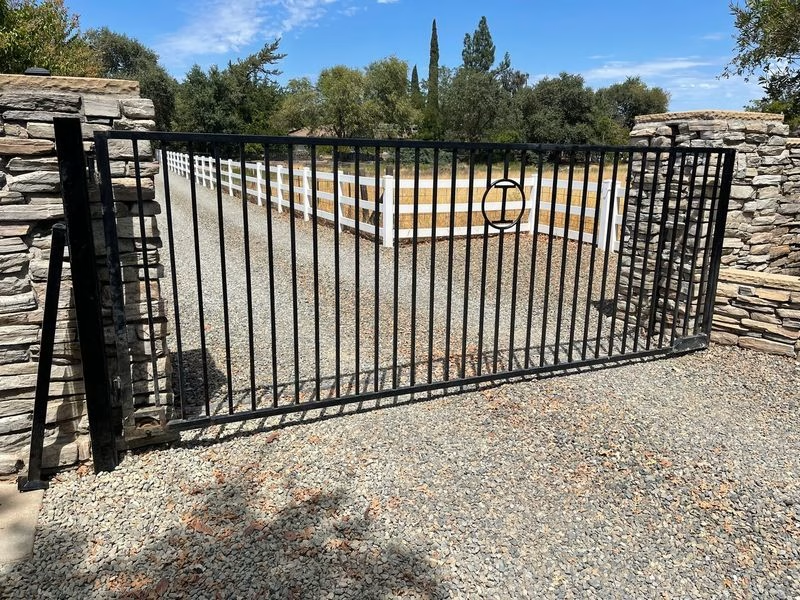
Steel is the strongest material available for pedestrian gate fabrication, handling heavy daily use and forced entry better than any other option.
Performance strengths that define steel gate durability include:
- Galvanized and powder-coated finishes block rust and corrosion
- Untreated steel rusts quickly, making galvanization non-negotiable
- Sacramento’s intense heat does not compromise structural integrity
- Annual washing and occasional powder coat touch-ups are sufficient
- Heavy pedestrian access does not cause bending or frame distortion
Proper powder coating and routine upkeep are what keep a steel gate performing at the top of its lifespan range for decades.
Fiberglass — 20 to 30+ Years
Fiberglass resists rust, rot, and warping while handling Sacramento’s dry heat and high UV exposure better than most non-metal gate materials.
Durability traits that define fiberglass gate performance include:
- Does not rust, rot, or absorb moisture outdoors
- UV resistance prevents fading under Sacramento’s intense sun
- Lightweight build makes it compatible with automated gate systems
- Impact resistance suits moderate-security residential gate applications
- Upkeep demands are comparable to vinyl in time and effort
Consistent performance across varying conditions makes fiberglass a practical choice for residential pedestrian gates.
Vinyl — 15 to 20+ Years
Vinyl delivers low-maintenance performance for residential backyard gate and privacy gate applications where easy upkeep is the priority.
Durability traits that define vinyl gate performance include:
- Vinyl surfaces resist rot, splintering, and warping outdoors
- Occasional soap and water cleaning maintains surface appearance
- No painting, staining, or sealing is required to keep vinyl looking good
- Sacramento’s temperature swings make quality installation critical
- Vinyl works best in light-use residential settings with moderate foot traffic
Longevity for vinyl depends heavily on installation quality and protection from extreme temperature swings.
Composite — 15 to 25 Years
Composite blends wood fiber and plastic to deliver a natural wood appearance without the decay, warping, and high maintenance of traditional wood gates.
Durability traits that define composite gate performance include:
- Resists rot and decay without chemical treatments
- Gate design options with composite closely mimic natural wood without the upkeep demands
- Occasional soap and water cleaning keeps the composite in good condition
- Sacramento’s temperature fluctuations cause expansion and contraction at joints
- Handles dry heat better than pure vinyl under prolonged UV exposure
The longevity of the composite depends on installation quality and on how well joints and connection points are maintained over time.
Wood — 10 to 15 Years
Wood is the most traditional material for garden and courtyard gates, delivering a natural look that no manufactured material fully replicates.
Factors that determine how long a wood gate actually lasts include:
- Dense hardwoods like Iroko outlast softwoods by several years
- Rot, warping, and termite damage are the most common failure causes
- Recoating with stain or sealant is required every one to three years
- Sacramento’s dry heat accelerates moisture loss and cracking risk
- Keeping the gate bottom off the ground slows decay significantly
Hardwood selection and a consistent sealing schedule are the two biggest factors in extending a wood gate’s functional lifespan.
How to Maintain Each Material to Maximize Lifespan
Maintenance habits directly determine whether a pedestrian gate reaches the top or bottom of its expected lifespan range.
Material | Maintenance Level | Key Maintenance Tasks | Frequency |
Steel | Low | Inspect powder coating, wash surface, touch up chips | Annually |
Fiberglass | Low | Surface inspection for UV wear, lubricate hardware | Annually |
Vinyl | Very Low | Soap and water cleaning, inspect joints and hardware | Twice a year |
Composite | Very Low | Soap and water cleaning, inspect joints for expansion | Twice a year |
Wood | High | Sand, stain, or reseal, inspect for rot and pest damage | Every 1 to 3 years |
Matching maintenance effort to the selected material keeps the gate functioning well throughout its lifespan.
What Factors Affect How Long a Pedestrian Gate Material Lasts?
Material quality, installation conditions, and daily operational demands all work together to determine how long a pedestrian gate holds up over time.
Key factors that directly affect pedestrian gate material lifespan include:
- Sacramento’s heat, UV exposure, and seasonal rain accelerate surface wear
- High gate traffic strains hinges, latches, and frame joints over time
- Poor installation shortens material lifespan regardless of quality
- A gate operator adds mechanical load, making hardware compatibility critical
- Soil buildup and moisture at the base accelerate material decay
Material quality alone does not guarantee longevity without proper installation, matched hardware, and consistent upkeep.
Does Gate Size Put More Stress on Certain Materials?
Wider and heavier gates place greater physical load on materials, posts, and hardware, and not every material handles that stress equally well.
Gate Width | Recommended Materials | Materials to Avoid | Key Consideration |
Up to 3 feet | Steel, Fiberglass, Vinyl, Composite, Wood | None | Most materials perform well at this standard pedestrian gate size |
3 to 4 feet | Steel, Fiberglass, Composite | Vinyl, Wood | Standard pedestrian gate width range where material strength starts to matter |
4 feet and above | Steel only | Vinyl, Composite, Wood | Wider pedestrian gate dimensions require deeper posts and heavy-duty hardware |
To explore how gate size affects locking hardware and security options, read our guide on Pedestrian Gate Lock Options: What Works Best?, which breaks down the most practical lock and hardware combinations for different gate sizes and materials.
Which Material Works Best for Different Property Conditions?
Property conditions like climate, usage level, and security demands determine which pedestrian gate material will perform best over the long term.
Property Condition | Best Material | Why It Works |
High-traffic and high-security | Steel | Handles repeated use, forced entry, and access control integration without structural compromise |
Intense UV exposure and dry heat | Fiberglass | Resists fading, warping, and moisture loss under Sacramento’s sun |
Low maintenance and clean aesthetics | Vinyl or Composite | Minimal upkeep with a modern appearance for residential properties |
Natural appearance over longevity | Wood | Warmest and most customizable look of all available gate materials |
Automated gate system compatibility | Fiberglass or Vinyl | Lightweight build reduces mechanical load on hardware and posts |
To find out what else to consider before committing to a gate material, read our guide on What to Know Before Getting a Pedestrian Gate, which walks through every key decision Sacramento property owners face before installation.
How Much Does a Pedestrian Gate Material Cost?
Pedestrian gate material costs vary widely based on several factors that property owners need to account for before setting a final budget.
Key factors that affect pedestrian gate material cost include:
- Material type is the biggest cost driver across all gate options
- Gate size and width impact the total amount of material needed
- Custom gate design adds to the overall cost, regardless of material
- Hardware quality affects the total installation budget significantly
- Sacramento labor rates vary based on installation complexity and scope
Getting a detailed quote from a local gate professional is the most accurate way to determine the total cost for a specific property-and-material combination.
The Right Material Selection Gives a Pedestrian Gate the Best Chance to Last for Decades
Pedestrian gate materials perform differently based on property conditions, usage level, and the maintenance commitment a property owner can sustain. Matching the material to the property from the start ensures the gate delivers its full expected lifespan without excessive wear or early failure.
Whether you live in Auburn, Elk Grove, Folsom, Rancho Cordova, Citrus Heights, Galt, West Sacramento, East Sacramento, Land Park, Natomas, Oak Park, Davis, Roseville, or Rocklin, Central Valley Gates & Access Controls can secure your property and make your home into your castle!
Contact us or give us a call today, and we will walk you through every pedestrian gate material option and help you find the one that will last the longest on your property.