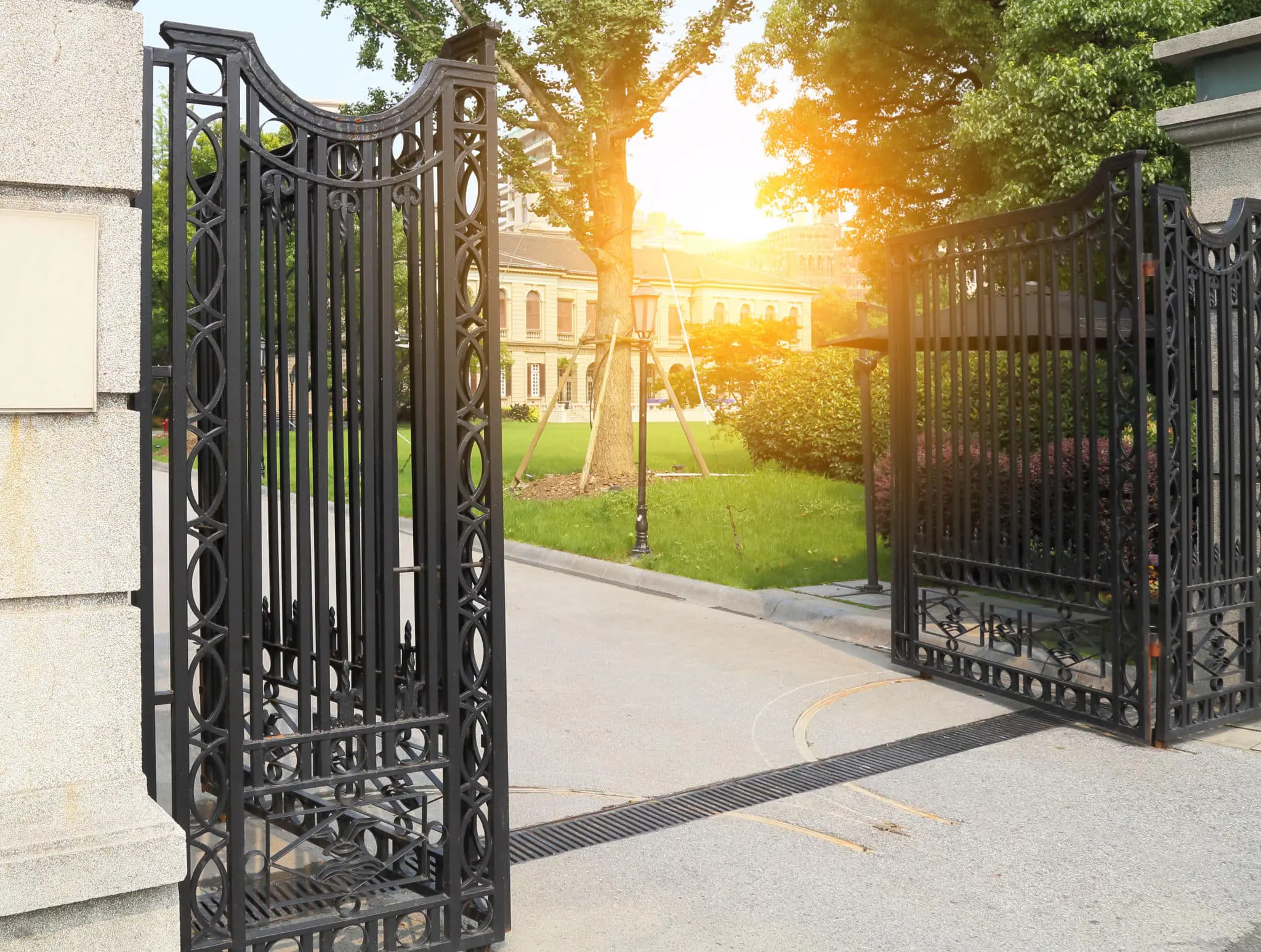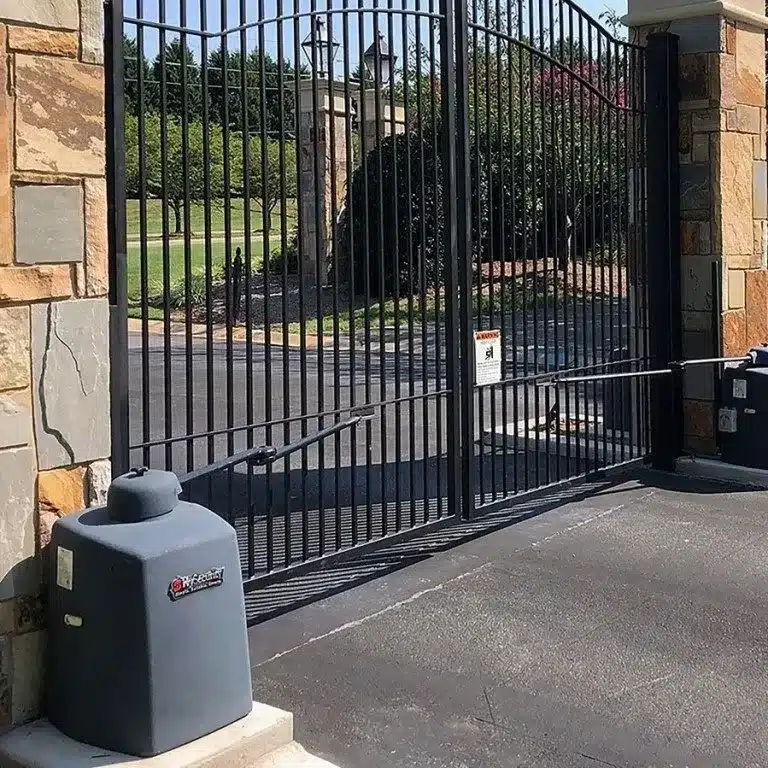
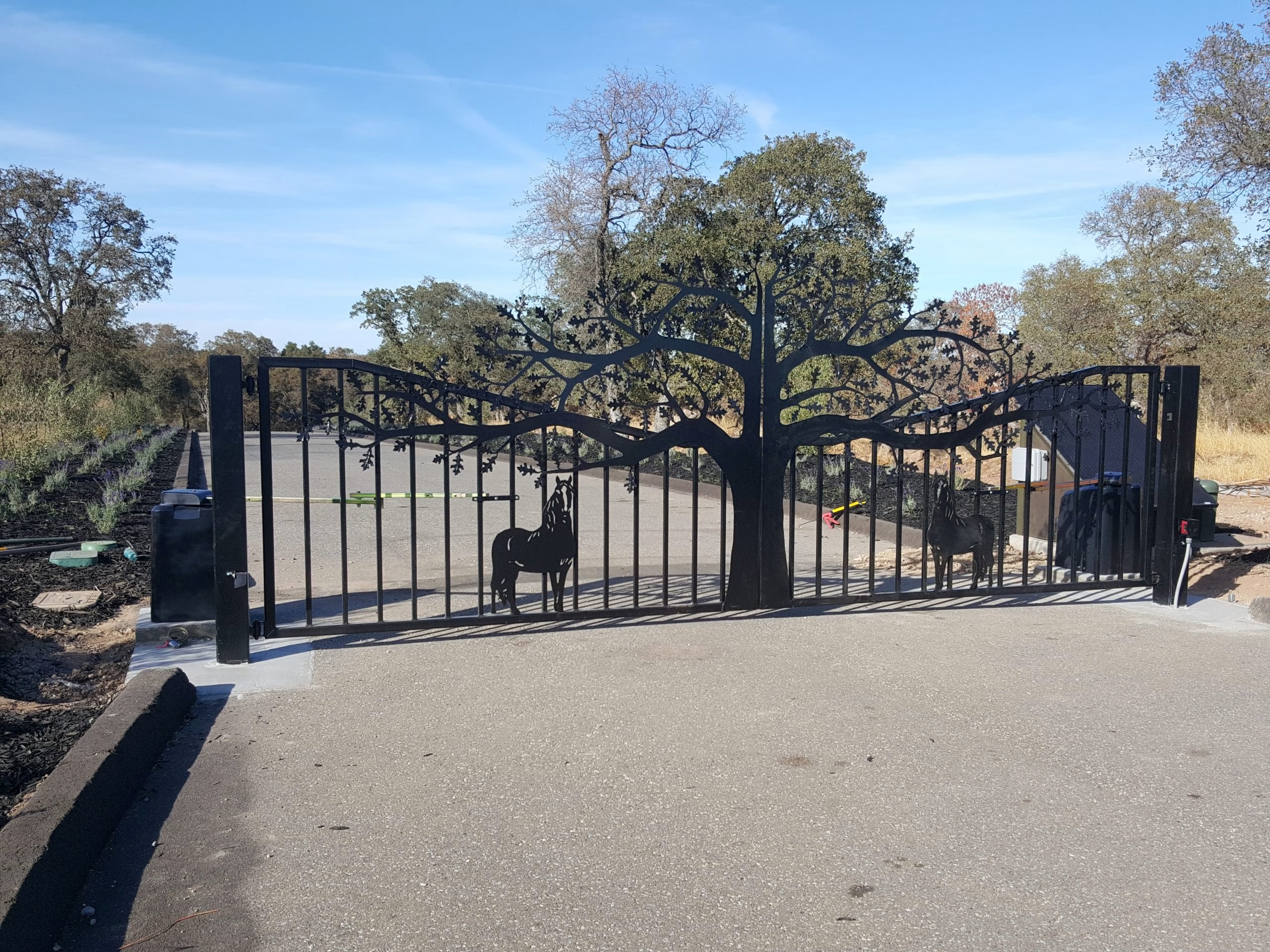
A pedestrian gate lock is the one component that determines whether a gate actually keeps a property secure or just creates the appearance of security. Selecting the correct lock before pedestrian gate installation saves time, money, and the hassle of replacing incompatible hardware down the line.
Knowing which pedestrian gate lock option works best starts with understanding what each type is built to handle and what conditions it was designed for. The wrong lock on the wrong gate is a security gap waiting to happen, and the right one is an investment that pays off every single day.
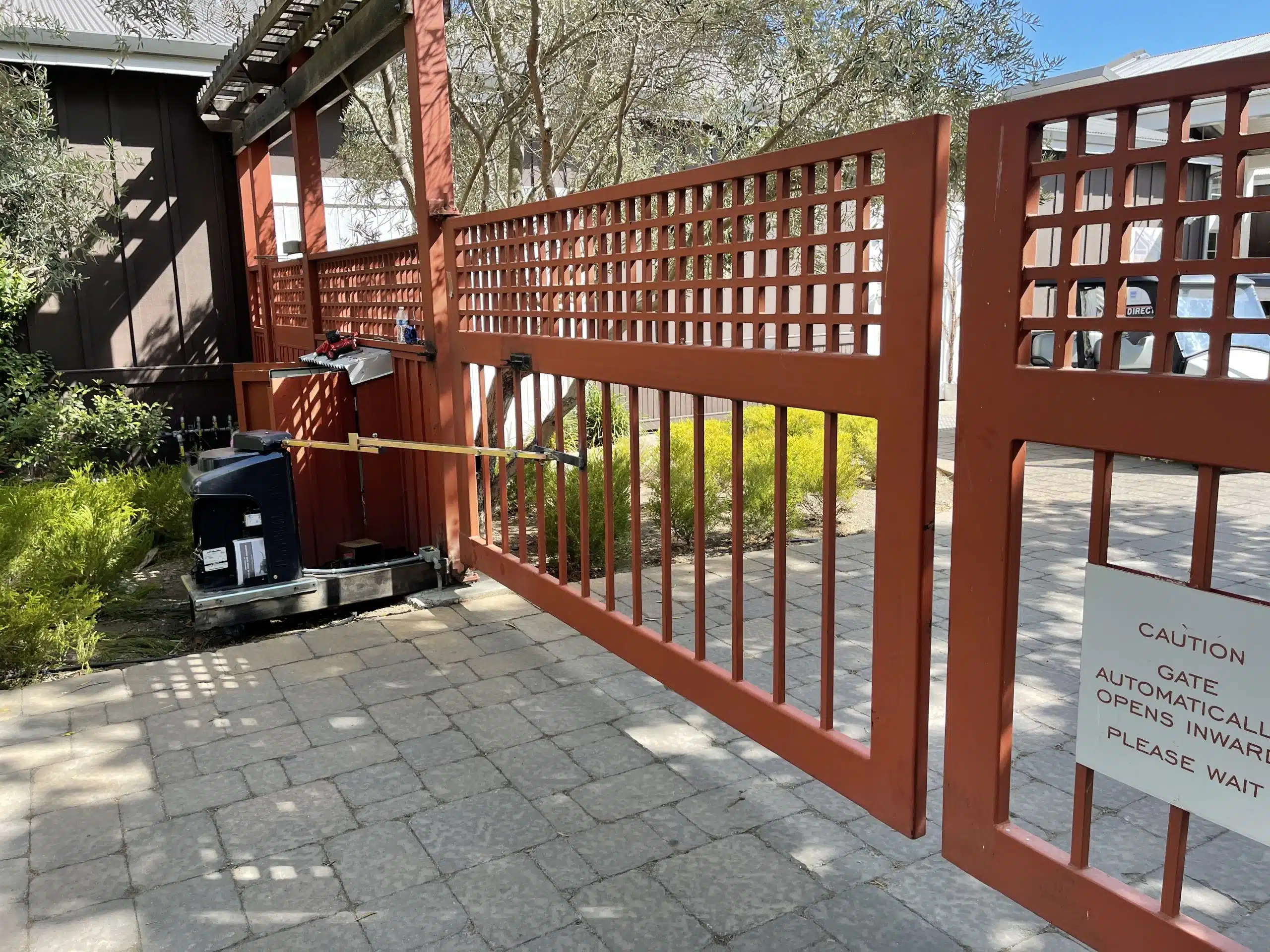
What Should Homeowners Know About Pedestrian Gate Security Before Choosing a Lock?
Pedestrian gate security is the system of hardware, materials, and access controls that prevents unauthorized entry through a pedestrian gate, making it the foundation of every lock decision a property owner will face.
Before choosing a lock, here is why pedestrian gate security matters:
- A weak lock turns even the strongest gate into an easy target for forced entry
- Poor security hardware puts residents, guests, and property at unnecessary risk
- Inconsistent access control creates vulnerabilities that go unnoticed over time
- Low-grade components fail faster outdoors, leaving the gate unsecured
- A gate with no reliable locking system offers little real protection
To understand how gate structure and sizing affect hardware compatibility, read our guide on What Is a Pedestrian Gate Design and Size Guide?, which covers how pedestrian gate dimensions and design influence every hardware decision.
What Makes a Pedestrian Gate Lock Actually Work?
A pedestrian gate lock relies on mechanical components, durable materials, and proper mounting to keep a gate secure through years of daily outdoor use.
What makes a pedestrian gate lock actually work includes:
- A latch or bolt that engages cleanly with the strike plate every time the gate closes
- Corrosion-resistant materials that hold up against heat, rain, and UV exposure
- A mounting position on the gate frame that distributes force evenly under pressure
- Self-latching capability that keeps the gate secured after every use
- Hardware fabrication built to handle the flex and swing movement of an outdoor gate
Choosing a lock that addresses all these factors is what separates a gate that holds up for years from one that fails when it matters most.
Pedestrian Gate Lock Options and How They Compare
Mechanical Keyless Locks
Mechanical keyless locks are among the most practical options for residential properties that require consistent, key-free pedestrian access every day.
Features that make mechanical keyless locks a strong option include:
- Pin code entry triggers the latch without requiring a key
- Marine-grade components handle heat and seasonal rain without corroding
- Self-latching mechanism secures the gate automatically after every use
- Compatible with standard pedestrian gate size openings between 36 and 48 inches
- Access codes can be changed without replacing any physical hardware
Mechanical keyless locks perform best when the overall gate design supports clean hardware mounting and proper frame alignment through years of daily use.
Heavy-Duty Padlocks and Hasp Bolt Locks
Heavy-duty padlocks and hasp bolt systems deliver maximum physical security for properties that prioritize strength over convenience.
Reasons heavy-duty padlocks and hasp bolt locks remain a popular choice include:
- Hardened steel shackles resist cutting, prying, and corrosion outdoors
- Combination and keyed variants offer flexibility depending on access needs
- No programming or wiring required, making installation straightforward
- Works across a wide range of gate materials without frame modifications
- Stainless steel models maintain durability through years of outdoor exposure
A powder coat finish on both the lock hardware and the gate frame adds a critical layer of corrosion resistance, extending the lifespan of the entire installation.
Magnetic Locking Latches
Magnetic locking latches are a corrosion-free option built for pool areas, garden gate entrances, and courtyard installations that see frequent daily use.
Key advantages of magnetic locking latches for outdoor pedestrian gates include:
- Magnetic mechanism eliminates metal pins, removing the most common source of rust and sticking
- Two-way entry and exit operation requires no additional hardware on either side
- Self-latching on gate closure keeps the entry point secured without manual effort
- Smooth, quiet operation suits backyard gate entrances used throughout the day
- Low maintenance requirements reduce the time and cost of upkeep
Pairing magnetic locking latches with a quality gate operator creates a smoother, more controlled entry experience for properties with frequent pedestrian traffic.
Electronic and Smart Locks
Electronic and smart locks provide full access control for any pedestrian gate, making them ideal for properties where monitoring entry is a priority.
What sets electronic and smart locks apart from every other option includes:
- Key fobs, smartphone apps, and keypads all serve as access methods
- Audit trail functionality logs every entry and exit for full visibility
- Security camera integration adds oversight that no mechanical lock can match
- Weatherproofed enclosures protect internal electronics from heat and rain
- Modern profiles complement contemporary pedestrian gate design without added bulk
Electronic and smart locks perform best as part of a fully integrated, automated gate system that connects all entry points to a single access control setup.
Key Considerations When Evaluating Pedestrian Gate Lock Options
The wrong pedestrian gate lock almost always results from overlooking the factors that determine how well the hardware holds up under real conditions.
Key considerations when evaluating pedestrian gate lock options include:
- Gate material and weight determine which lock types are structurally compatible
- The frequency of use directly affects how fast a lock wears down over time
- Sacramento’s heat, UV exposure, and rain demand weather-resistant hardware
- Access requirements determine whether a keyed, keyless, or electronic system fits
- Property security level influences the grade of lock hardware required
To explore how material selection affects lock compatibility and overall gate durability, read our guide on Pedestrian Gate Materials: Which One Lasts Longest?, which breaks down how each material holds up against daily use and outdoor conditions.
Why the Right Pedestrian Gate Lock Makes All the Difference
Selecting a well-matched pedestrian gate lock directly affects how secure, functional, and low-maintenance a gate remains through years of daily outdoor use.
Why the right pedestrian gate lock makes all the difference includes:
- Consistent security comes from a lock that is matched to the gate from the start
- Properly matched hardware extends the lifespan of the entire gate installation
- A well-chosen lock reduces unauthorized entry at the most vulnerable access point
- Correct lock selection eliminates compatibility issues that compromise gate functionality
- Less attention and intervention are needed when the lock fits the gate properly
Getting the lock selection right from the start is what keeps a pedestrian gate performing at its best without constant attention or unplanned repairs.
How to Choose the Right Lock for a Pedestrian Gate
Choosing a lock for a pedestrian gate comes down to matching the hardware to the gate structure, access needs, and conditions the lock will face every day.
How to choose the right lock for a pedestrian gate includes:
- Gate type and frame structure determine which lock mounts and operates properly
- Access patterns reveal whether a keyed, keyless, or electronic system fits best
- Gate width determines whether a standard lock fits without modification
- Multi-user properties benefit from keypad or smart systems with updatable codes
- Durability over upfront cost is the priority for any lock facing outdoor exposure
To get a full picture of what goes into planning a pedestrian gate from the ground up, read our guide on What to Know Before Getting a Pedestrian Gate, which covers everything property owners need to evaluate before making a final decision.
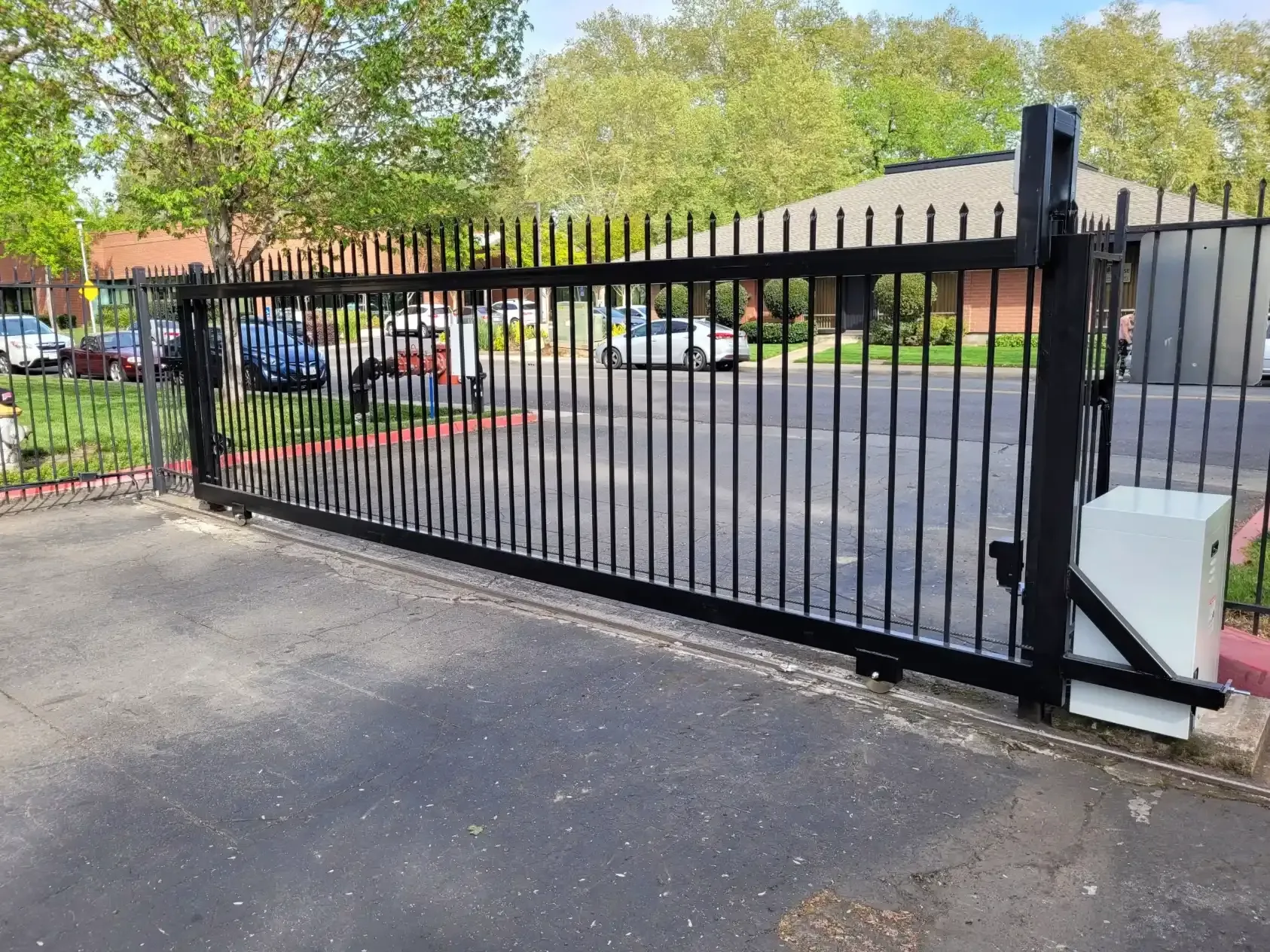
Choose the Pedestrian Gate Lock Option That Works Best for Your Property
Understanding all available pedestrian gate lock options gives property owners the confidence to make a decision that holds up through years of daily outdoor use. The gate structure, access needs, and real-world conditions all determine which lock delivers the most consistent security and performance over time.
Whether you live in Auburn, Elk Grove, Folsom, Rancho Cordova, Citrus Heights, Galt, West Sacramento, East Sacramento, Land Park, Natomas, Oak Park, Davis, Roseville, or Rocklin, Central Valley Gates & Access Controls can secure your property and make your home into your castle!
Contact us or give us a call today, and we will help you find the pedestrian gate lock option that works best for your property.