Automated gates break down due to daily wear, exposure to the elements, and small issues that accumulate over time and go unnoticed until the entire system stops working altogether. Leaving those problems without attention only makes them harder and more expensive to fix down the line.
Understanding what causes automated gate systems to fail is the first step toward preventing those failures in the first place. This guide covers the most common automated gate problems property owners encounter and the practical steps to prevent them from getting out of hand.
Why Automated Gates Need Regular Attention to Stay Reliable
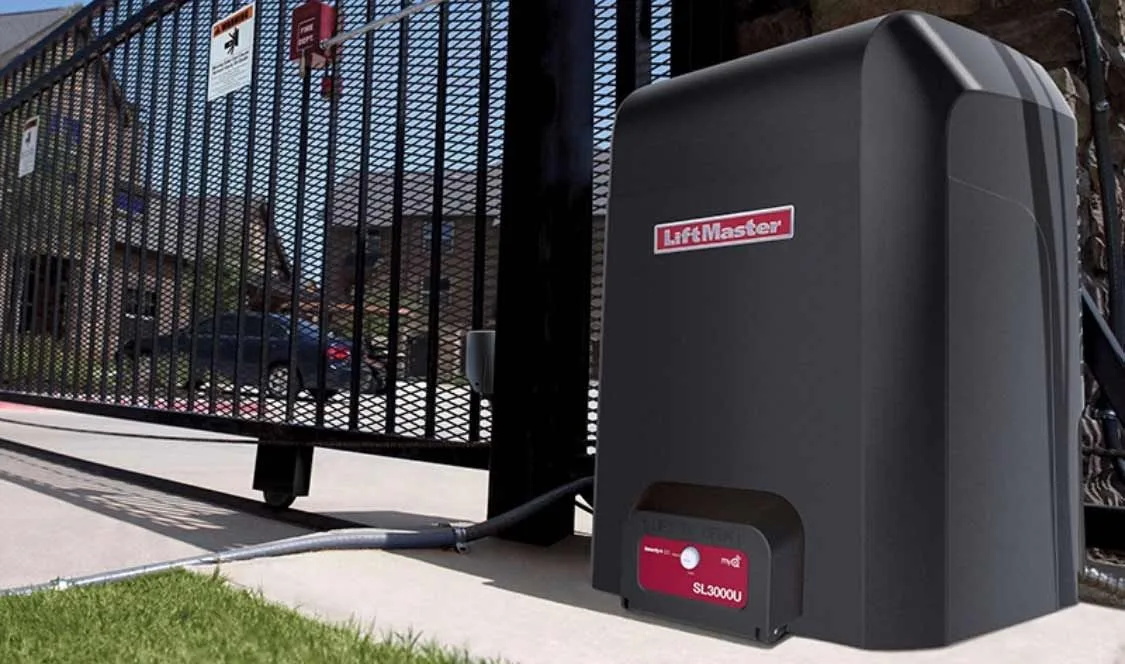
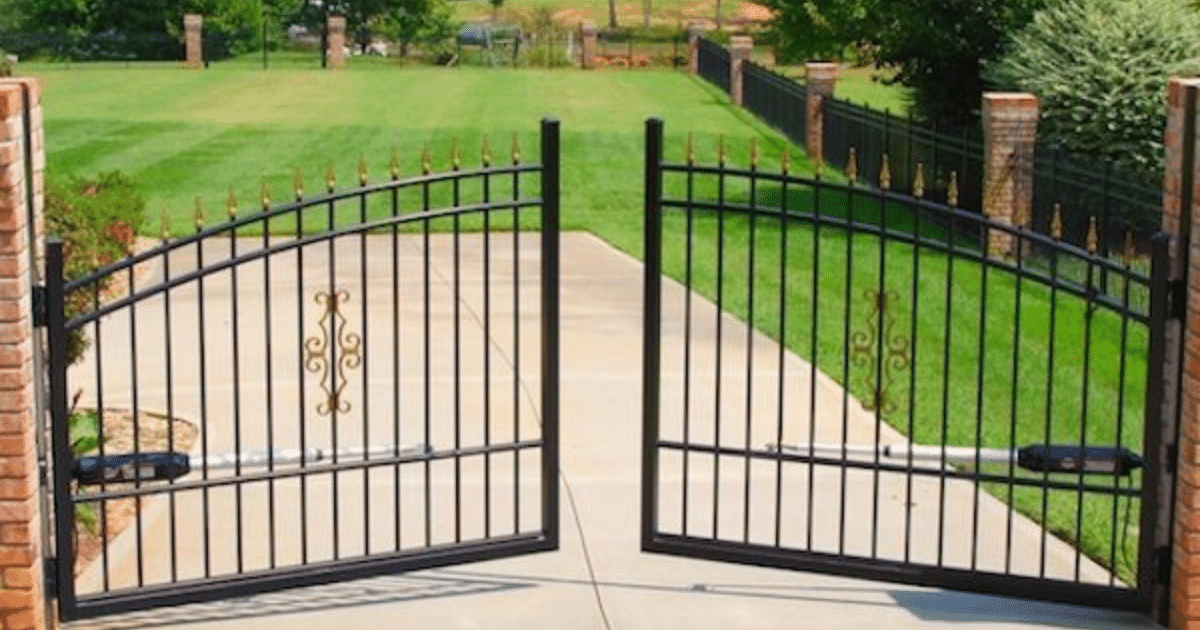
Automated gates are motorized entry systems that use electric motors, sensors, and access control components to open and close a gate automatically, without any manual effort by the property owner.
Key reasons include:
- Moving parts wear down without routine lubrication and inspection
- Debris buildup in tracks and hinges creates mechanical strain over time
- Unchecked sensors lose accuracy and stop detecting obstructions
- Sacramento’s weather breaks down seals, coatings, and hardware gradually
- Skipped service turns small issues into full system failures
To find the right starting point for long-term reliability, read our guide on What Type of Automated Gate Is Best for Your Property?, which covers every option suited to residential and commercial properties in Sacramento.
Common Problems With Automated Gates and What Causes Them
Power and Electrical Failures
Power and electrical failures are a leading cause of automated gate breakdowns, most of which trace back to neglected components.
Common causes include:
- Circuit breakers trip from power surges and cut power to the gate system
- Backup batteries lose charge and leave the gate without power during outages
- Corroded wiring inside the control board breaks the connection between components
- Moisture inside outdoor control boxes damages electrical parts over time
Electrical issues develop gradually and become harder to address the longer they go without a proper inspection.
Sensor Malfunctions
Dirty or misaligned photoelectric safety sensors can cause an automated gate to stop operating correctly without warning.
Common causes include:
- Dust and dirt are coating the lens and blocking the safety beam
- Misaligned sensors on opposite sides that no longer face each other correctly
- Spiderwebs or insect nests built directly over the sensor housing
- Direct sunlight hits the lens and disrupts the signal at certain times of day
Each of these causes directly interferes with the sensor beam, and UL 325 defines the safety requirements every automated gate sensor must meet to function correctly.
Track and Hinge Jamming
Grinding or squeaking sounds during gate movement almost always point to track and hinge jamming caused by neglected moving parts.
Common causes include:
- Leaves, dirt, and small stones are collecting inside the gate track over time
- Hinges and rollers are running dry without lubrication and grinding against metal
- Ground shifting after heavy rain pushing the track out of alignment
- Worn rollers that no longer sit flush in the track and create uneven resistance
Keeping tracks clear and hinges lubricated twice a year is the most direct way to prevent jamming from affecting gate operation.
Remote Control and Receiver Errors
Remote control and receiver errors are frustrating because the cause is often unrelated to the gate mechanism itself.
Common causes include:
- Dead remote batteries are cutting the signal before it reaches the receiver
- Large metal structures or vehicles parked nearby are blocking the transmission
- A damaged receiver antenna that can no longer pick up the remote frequency
- Neighboring gate systems operating on the same frequency and causing signal conflicts
Replacing remote batteries annually and keeping the antenna clear of obstructions resolves the majority of remote and receiver issues.
Mechanical Strain on Slopes
Gates on sloped driveways place constant uneven pressure on the motor and drive system, accelerating wear on every component in the operator.
Common causes include:
- Gate installed on an incline without hardware rated for slope applications
- Undersized motor struggling to pull the gate weight uphill on every cycle
- Uneven load distribution caused by improper installation on one side of the gate
- Standard residential gate openers are used where commercial-grade operators are required
Slope-related strain is entirely preventable when the right operator and hardware are selected for the property during installation.
Warning Signs Your Automated Gate Has a Problem
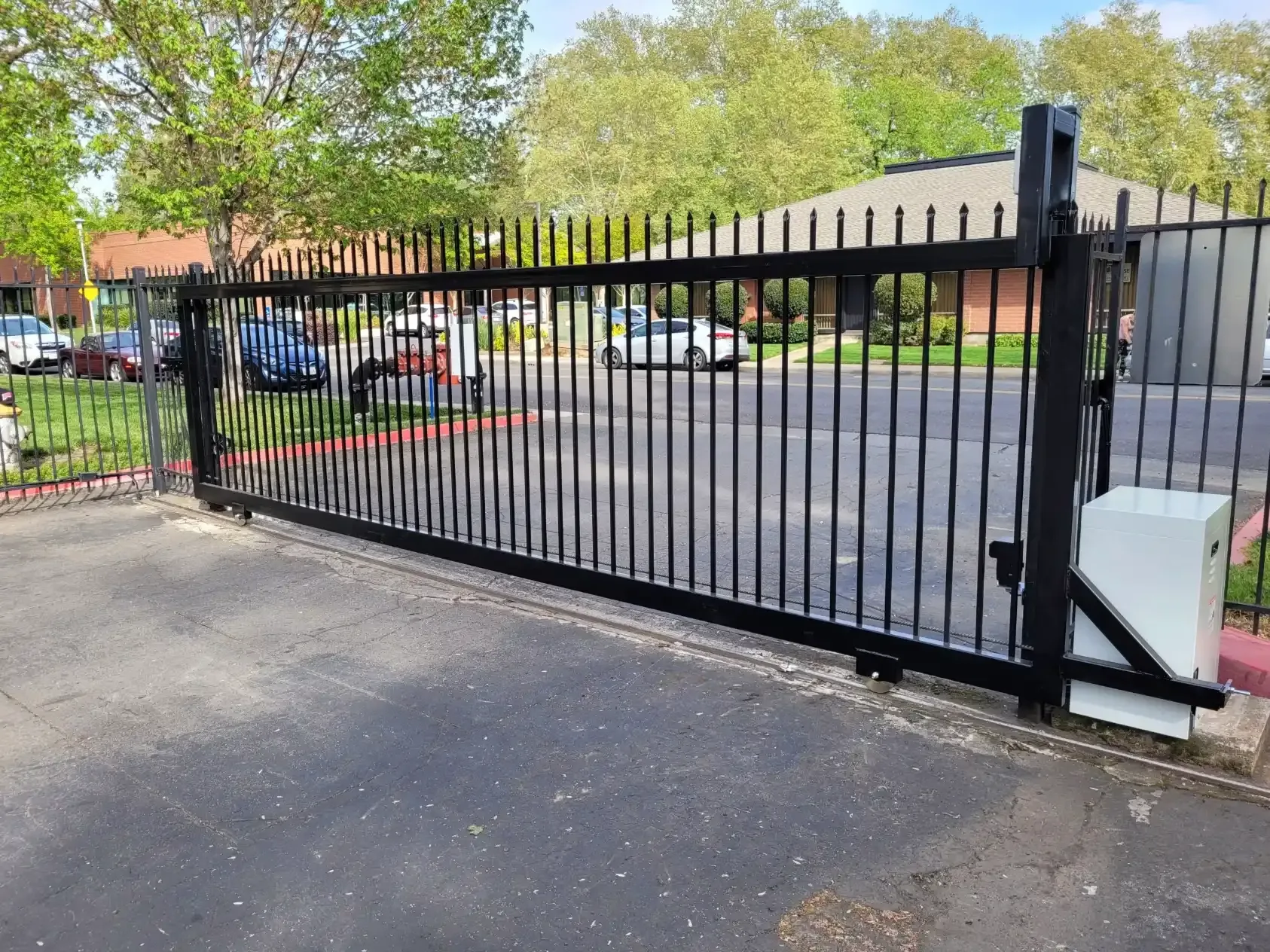
Knowing the warning signs of a failing automated gate helps property owners take action before a minor issue turns into a major one.
Warning signs to watch for include:
- Grinding, squeaking, or humming sounds during every open and close cycle
- Gate movement that is slower or more uneven than it used to be
- The gate stops midway or reverses without any visible obstruction in its path
- Visible rust, loose bolts, or physical damage on the hinges, rollers, or track
- Remote or keypad commands that are ignored or delayed consistently
Any of these signs points to a problem that needs professional automatic gate repairs before normal gate operation is affected.
What to Do When You Notice a Problem With Your GateW
Addressing a gate problem early gives property owners a better chance of resolving it before it affects daily access and security.
Steps to take when you notice a problem include:
- Check the power source and circuit breaker before assuming the issue is mechanical
- Replace the remote battery and test the gate again from different distances
- Look at the track, hinges, and rollers for visible debris or physical damage
- Check both sensor indicator lights to see if either one is off or blinking
- Call a professional for gate operator repairs if the motor is struggling or unresponsive
Documenting what the gate is doing gives technicians the information they need to diagnose and complete the repair accurately on the first visit.
When Gate Problems Mean It’s Time to Repair or Replace
Gate problems that recur after repeated repairs are a strong signal that the system has reached the end of its service life.
Signs that repair or replacement may be needed include:
- The motor has burned out more than once within a short period of time
- The gate frame is bent, cracked, or no longer closes flush against the post
- Rust has spread across the majority of the metal components
- Repair costs are adding up without producing any lasting results
- Replacement parts for the existing gate operator are no longer available
To weigh the full costs and long-term benefits, read our guide on Are Automated Gates Worth It for Sacramento Homes?, which covers everything Sacramento property owners need to know before making that decision.
How to Prevent Automated Gate Problems Before They Get Worse
Consistent maintenance is the most effective way to prevent automated gate problems before they affect performance.
Key prevention steps include:
- Schedule professional gate services at least once a year for residential gates
- Lubricate hinges, rollers, and chains with silicone-based or lithium grease twice a year
- Clean the gate track regularly to remove dirt, leaves, and debris
- Test safety sensors monthly by placing an object in the gate’s path
- Inspect the powder coat finish and all hardware for early signs of rust or wear
To find out how often your gate needs professional attention, read our guide on How Often Should Automated Gates Be Serviced?, which covers the right service intervals for both residential and commercial properties in Sacramento.
Keep Your Automated Gates Problem-Free With the Right Professional Support
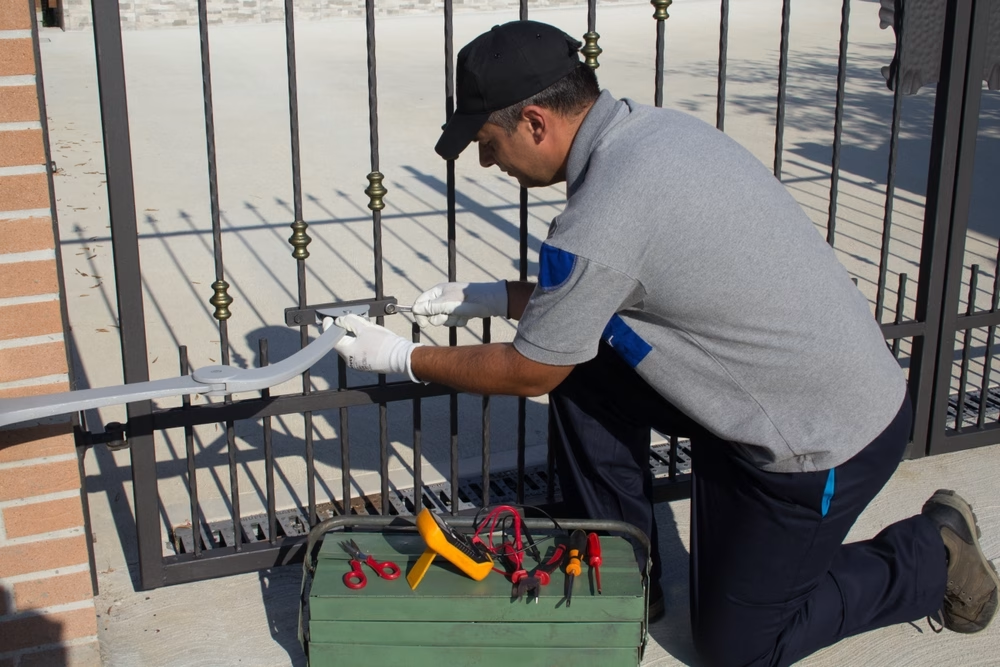
Understanding the most common automated gate problems and how to prevent them puts you in a much better position to protect your property and your investment. Knowing what to inspect, when to act, and who to call keeps your gate performing the way it was designed to for years to come.
Whether you live in Auburn, Elk Grove, Folsom, Rancho Cordova, Citrus Heights, Galt, West Sacramento, East Sacramento, Land Park, Natomas, Oak Park, Davis, Roseville, or Rocklin, Central Valley Gates & Access Controls can secure your property and make your home into your castle!
Contact us or give us a call today, and we will walk you through every gate problem and prevention solution your property needs.