Choosing the right gate for your home involves more than appearance. You’ll also want to consider security, ease of operation, and long-term durability, including protective finishes like a powder coat that helps resist rust, fading, and everyday wear.
This guide outlines key factors to consider, including materials, opening style, and system performance over time. With a clear understanding of your options, you can select a gate that enhances curb appeal while meeting your needs for safety and day-to-day convenience, so it looks great and holds up for years.
Exploring Different Types of Residential Gates
Homeowners can choose from many types of gates for their properties. Each type of gate offers different benefits, depending on your specific needs. The gate you select can influence daily convenience, home security, and the overall aesthetic appeal of your entrance. It can also affect maintenance requirements over time, depending on the materials and moving parts. Choosing the right option early can prevent costly adjustments later and enhance long-term satisfaction.
It is important to understand what sets each main gate style apart. This knowledge helps you find a gate that works well for your driveway and suits your lifestyle. Whether you have ample space or a small front area, there is a gate type that will fit your home. You should also consider how the gate opens, where it is stored when in use, and how it interacts with your parking and foot traffic. A well-matched gate should be practical every day, not just visually appealing from the street.
Understand how to weigh visual appeal against protection when selecting the right entrance for your property by reading: Gate Design—Are You Choosing Style or Security?
Swing, Sliding, and Folding Gates: Pros and Cons
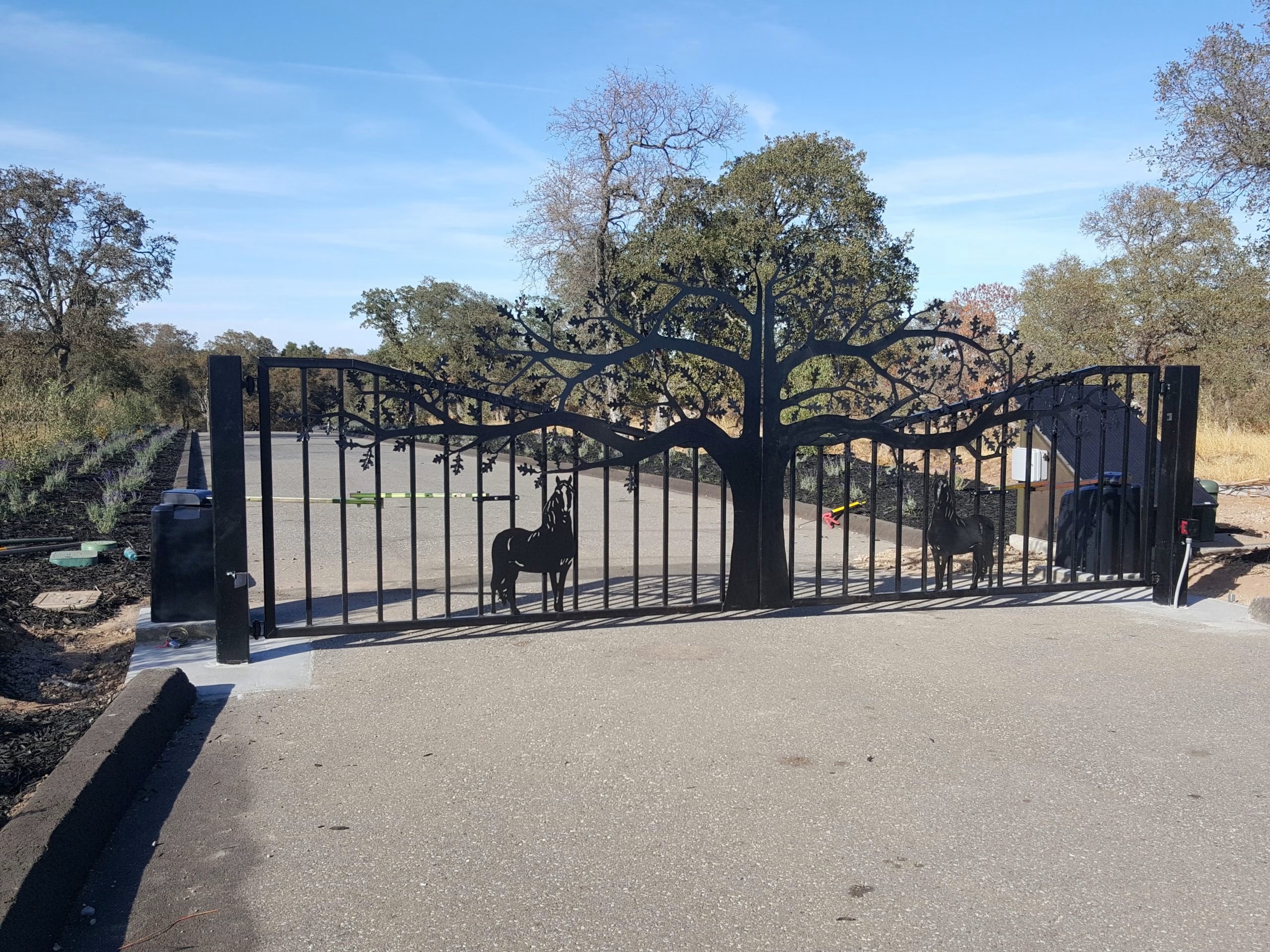
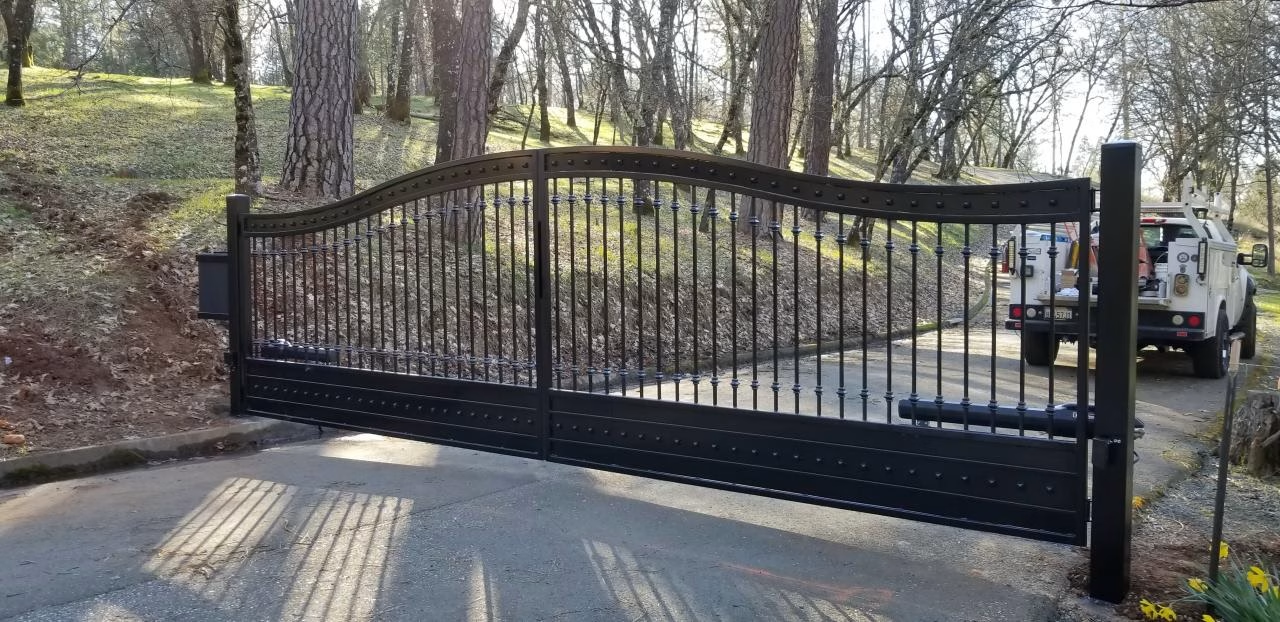
Swing gates are a popular choice because they have a classic and inviting appearance. They open inward or outward, much like a standard door, making them ideal for properties with long driveways. However, they require ample open space to operate, which may not be suitable for short or sloped driveways.
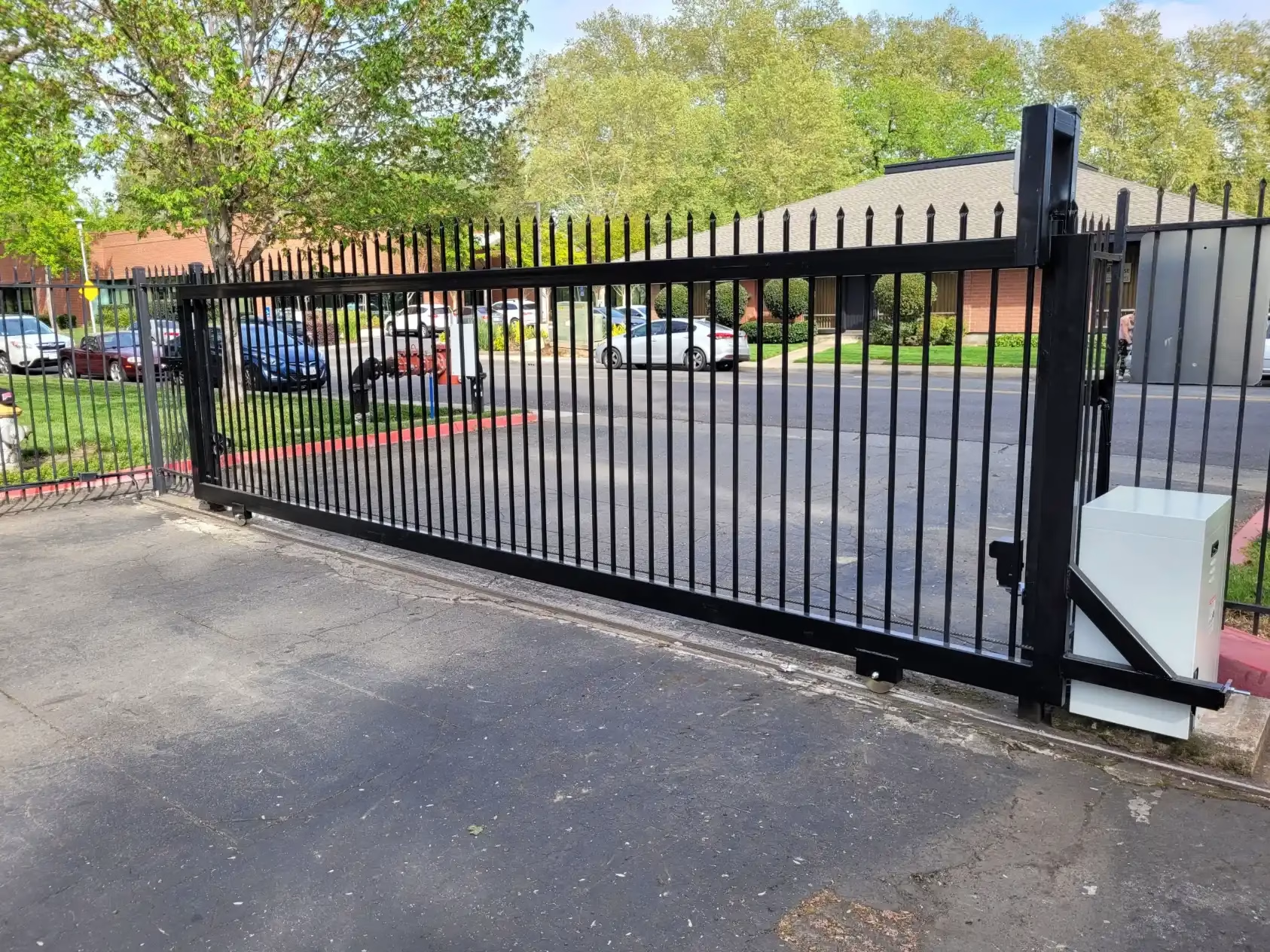
Sliding gates move horizontally along a track. These gates are an excellent solution when space is limited or when the driveway slopes, making a swing gate impractical. Hiring a professional for installation ensures that sliding gates are safe and make efficient use of your driveway space.
Folding gates function differently. They fold in on themselves, so they require less space than swing gates. They can also open wider than some sliding gates, providing a flexible entry solution.
- Swing Gates: Offer a timeless, welcoming look but require sufficient clearance to swing open.
- Sliding Gates: Maximize driveway space and are ideal for sloped driveways.
- Folding Gates: Save space and provide a modern, easy-to-use entrance.
See how thoughtful gate design influences security, accessibility, and day-to-day convenience, not just appearance, by reading: Why Great Gate Design Goes Beyond Aesthetics and Impacts Security and Convenience.
Selecting Gate Types for Various Driveway Layouts
The appearance of your driveway is an important factor when selecting the right gate for your home. It’s essential to know how much space you have before choosing the gate that will work best. For example, long and flat driveways are well-suited for single or double-swing gates, which provide an attractive, classic look.
If your driveway is short, wide, or sloped, swing gates may not be practical. In these cases, a sliding gate is often the best solution, as it operates smoothly without interfering with your driveway. The right gate also helps you control access, regardless of the shape or layout of your property.
Ultimately, choose a gate that opens and closes easily, stays out of the way, enhances safety, and complements your home’s design.
- Long, Level Driveways: Best suited for single or double-swing gates.
- Short or Sloped Driveways: Sliding gates are typically the most practical option.
- Narrow Entrances: Bi-folding gates provide a wide opening even in a limited space.
See how thoughtfully designed gates can strengthen property security while preserving curb appeal by reading: Security-Driven Gate Design That Protects Your Property Without Compromising Curb Appeal.
Choosing Materials for Durability and Security
The material you choose for your gate plays a significant role in its strength, lifespan, and overall appearance. Custom gate cutouts can also be added to create a more personalized design. The material you select determines how much maintenance will be required to keep the gate looking and functioning at its best over time. By choosing durable materials, your gate can withstand local weather conditions, resist daily wear, and maintain reliable performance for years, delivering long-term value for your property.
Gate material also directly impacts security. Strong options such as steel and iron help deter unauthorized access and provide dependable protection. By carefully selecting the right material, you can feel confident that your gate will not only last but also deliver lasting security and peace of mind.
The Role of Materials in Enhancing Security and Longevity
The material you choose for your gate is critical to its job of keeping your home safe and standing strong over time. Heavy-duty materials such as wrought iron and steel are known for their strength. They provide a robust layer of protection that enhances your property’s security.
These durable materials do more than keep unwanted visitors out; they also help the gate last longer and remain in excellent condition for years. When you invest in high-quality materials, maintenance concerns are reduced, and you gain peace of mind knowing your gate will perform as intended.
Lighter options, such as aluminum and vinyl, can still offer strength while being easier to operate due to their lower weight. However, steel or iron gates typically deliver the highest level of security. When making your choice, consider the level of protection you need, the gate’s appearance, and your budget to determine the best option for your home.
Understand how gate swing, clear width, and egress requirements affect compliant design by reviewing official building code provisions from the International Code Council.
Gate Features That Boost Convenience and Functionality
Adding features to your gate can improve ease of use and ensure smooth daily operation. Options such as remote access controls and safety sensors allow you to manage entry conveniently while enhancing overall functionality. These features can be tailored to your specific needs, making everyday access simpler and more efficient.
Planning these upgrades during the gate design phase ensures they are safer, more reliable, and fully integrated. With the right enhancements, your gate becomes more than just a barrier; it becomes a functional, easy-to-use part of your home.
Manual vs. Automated Gates: Key Differences
When choosing between a manual and an automated gate, it’s important to consider both ease of use and security. Manual gates are simple to operate and more cost-effective, as they are opened and closed by hand. However, they do not offer the convenience or added features available with automated systems.
Automated gates are powered by a motor and can be operated using a remote control, keypad, or even a smartphone, allowing you to open and close the gate without leaving your vehicle. This type of gate should be professionally installed to ensure proper operation and safety.
Although automated gates require electricity and regular maintenance from a gate operator repair service, their convenience and enhanced security make them a popular choice for many homeowners.
- Operation: Manual gates are operated by hand, while automated gates use a motor to handle opening and closing.
- Convenience: Automated gates allow entry and exit using a remote control, keypad, or smartphone app.
- Security: Automated gates often integrate with access control systems, providing added protection for your home and family.
Learn more about industry standards for installing gates by visiting the Door & Access Systems Manufacturers’ Association.
Additional Features to Consider for Easy Operation
To make your gate easier to use, you can add features that create a smoother and more convenient experience. Intercom systems are especially helpful, allowing you to communicate with visitors at the gate before granting access. This means you can see or speak with guests without needing to step outside your home.
Motion sensors can further enhance safety and improve efficiency. They automatically open the gate as your vehicle approaches or stop operation if an obstruction is detected. These access control features help protect your property while making daily entry and exit easier.
If you are considering driveway gate repair or installing a new gate, consulting a professional is highly recommended. A qualified expert can help you select the best features to ensure your system meets your needs and operates reliably.
- Intercom Systems: Allow you to communicate with visitors and verify their identity before granting access.
- Motion Sensors: Enable hands-free operation and help prevent damage by detecting obstacles.
- Keypad Entry: Provides secure access using a code for family members or approved guests.
- Smartphone Integration: Allows you to monitor and control your gate from anywhere.
Designing for Maintenance and Long-Term Satisfaction
Thinking about a gate’s maintenance needs from the start is key. It ensures you remain satisfied with your gate over the long term and helps manage future maintenance costs. Some materials and gate systems require more frequent upkeep than others, which can affect both the time and money you spend on maintenance over the years.
By considering maintenance when selecting your gate, you can choose one that matches the level of care you are willing to provide. Doing so will help ensure that your gate remains reliable and durable for many years.
Factors Affecting Gate Maintenance Needs
Many factors can affect the maintenance needs of a home gate, including the gate’s material, the complexity of its operating system, and the weather conditions in your area. For example, wooden gates may rot or warp when exposed to rain or sunlight over time and often require regular care to stay functional and attractive.
Automated gates, on the other hand, use motors and components that need periodic inspection by a qualified professional. These checks help identify signs of wear before they turn into major problems. Searching for terms like “automatic gate repair near me” can help you find a reliable technician for this task.
Neglecting your gate’s maintenance needs can lead to breakdowns or reduced security for your home, potentially resulting in significantly higher costs later.
Key Considerations:
- Material Choice: Wood requires sealing, while some metal gates may need repainting.
- Operating System: Automatic gates need their motors and components regularly inspected to ensure proper operation.
- Climate Exposure: Severe weather can accelerate wear, causing gates to lose their finish or become stuck.
Keeping up with regular maintenance checks will help you spot early signs of wear and ensure your gate continues to function effectively for many years.
How to Choose Low-Maintenance Options
For homeowners who want to spend less time maintaining their gates, choosing low-maintenance materials is a smart strategy. Vinyl and aluminum are excellent options—they do not rust, rot, or get damaged by insects, and only require occasional cleaning to stay looking good.
Composite materials offer the aesthetic appeal of wood but need far less upkeep. They are durable and perform well outdoors with minimal maintenance. For metal gates, opting for a powder-coated finish provides extra protection against the elements. Choosing these materials and finishes can save both time and money, making gate ownership much easier.
While real wood gates require regular staining and care to protect against weather damage, these alternative materials let you enjoy a beautiful gate without the constant maintenance.
Tips for Low-Maintenance Gates:
- Select vinyl or aluminum for materials that resist rust and rot.
- Consider composite materials for a wood-like look with minimal upkeep.
- Choose powder-coated finishes on metal gates for added durability.
Improve Curb Appeal and Security With the Right Gate Choice
Choosing the right gate for your home is essential. A well-chosen gate not only enhances your home’s appearance but also helps keep it secure. Take the time to explore different types of gates and consider their materials, so you can make an informed decision that suits both your style and needs.
Think about the gate’s durability and the amount of maintenance it requires—these factors are important if you want to enjoy your gate for years. When evaluating gate designs, also consider how they will integrate with your driveway and house.
Central Valley Gates & Access Controls specializes in expertly crafted driveway gates and access systems tailored to your property. Our iron, steel, and wood gates are designed and installed to deliver durability, performance, and architectural character. Every project is built with longevity in mind and enhanced by reliable access control technology. Our consistent commitment to quality ensures dependable results you can trust.
Contact us today or give us a call for custom gate design and access control solutions.
Frequently Asked Questions
What role does security play when choosing a gate design?
Security is often a primary reason homeowners install a gate, so it should be considered early in the design process. We look at factors such as height, materials, locking mechanisms, and visibility to ensure the gate offers appropriate protection. A well-designed gate can deter unwanted access while still complementing the overall appearance of the property.
How does my lifestyle influence the type of gate I should choose?
Daily routines, family needs, and how often you use your entrance all affect the most suitable gate design. We consider whether you require frequent vehicle access, space for children or pets, or ease of use for guests. A gate that aligns with your lifestyle will be more practical and enjoyable in the long term.
Should I choose a manual or automated gate?
The choice between manual and automated gates depends on convenience, budget, and usage patterns. We often find automated gates suit busy households or properties with long driveways, while manual gates can be sufficient for simpler access needs. Both options can be secure and visually appealing when designed correctly.
How important is material selection for gate durability?
Gate materials directly impact longevity, maintenance, and overall performance. We assess how different materials respond to local weather conditions, wear, and daily use. Choosing the right material helps ensure the gate remains functional and attractive over time.
How can a gate design complement my home’s architecture?
A gate should feel like a natural extension of your home rather than an afterthought. We consider architectural style, colours, and existing landscaping to create visual harmony. A well-matched gate enhances kerb appeal and contributes positively to property value.
What level of privacy should my gate provide?
Privacy needs vary depending on location and personal preference. We help balance solid and open design elements so the gate provides the desired level of screening without feeling unwelcoming. This approach allows homeowners to control visibility while maintaining an inviting entrance.
Are there local regulations or restrictions to consider?
Planning rules and local regulations can influence gate height, placement, and automation features. We recommend checking requirements early to avoid delays or unexpected changes. Compliance ensures the gate is both lawful and safe for everyday use.
How does maintenance factor into gate design decisions?
Different gate designs require varying levels of upkeep. We encourage homeowners to consider how much time and effort they are willing to invest in maintenance. Low-maintenance designs can be especially beneficial for busy households or rental properties.
What safety features should be included in a residential gate?
Safety is essential, particularly for automated gates or homes with children and pets. We consider features such as smooth edges, controlled closing speeds, and reliable sensors. These elements help reduce risks while ensuring the gate operates smoothly.
How do budget considerations affect gate design choices?
Budget plays a significant role in determining materials, features, and customisation options. We aim to balance cost with quality and long-term value rather than focusing solely on initial expense. A thoughtfully planned gate can deliver durability and performance without compromising unnecessary costs.