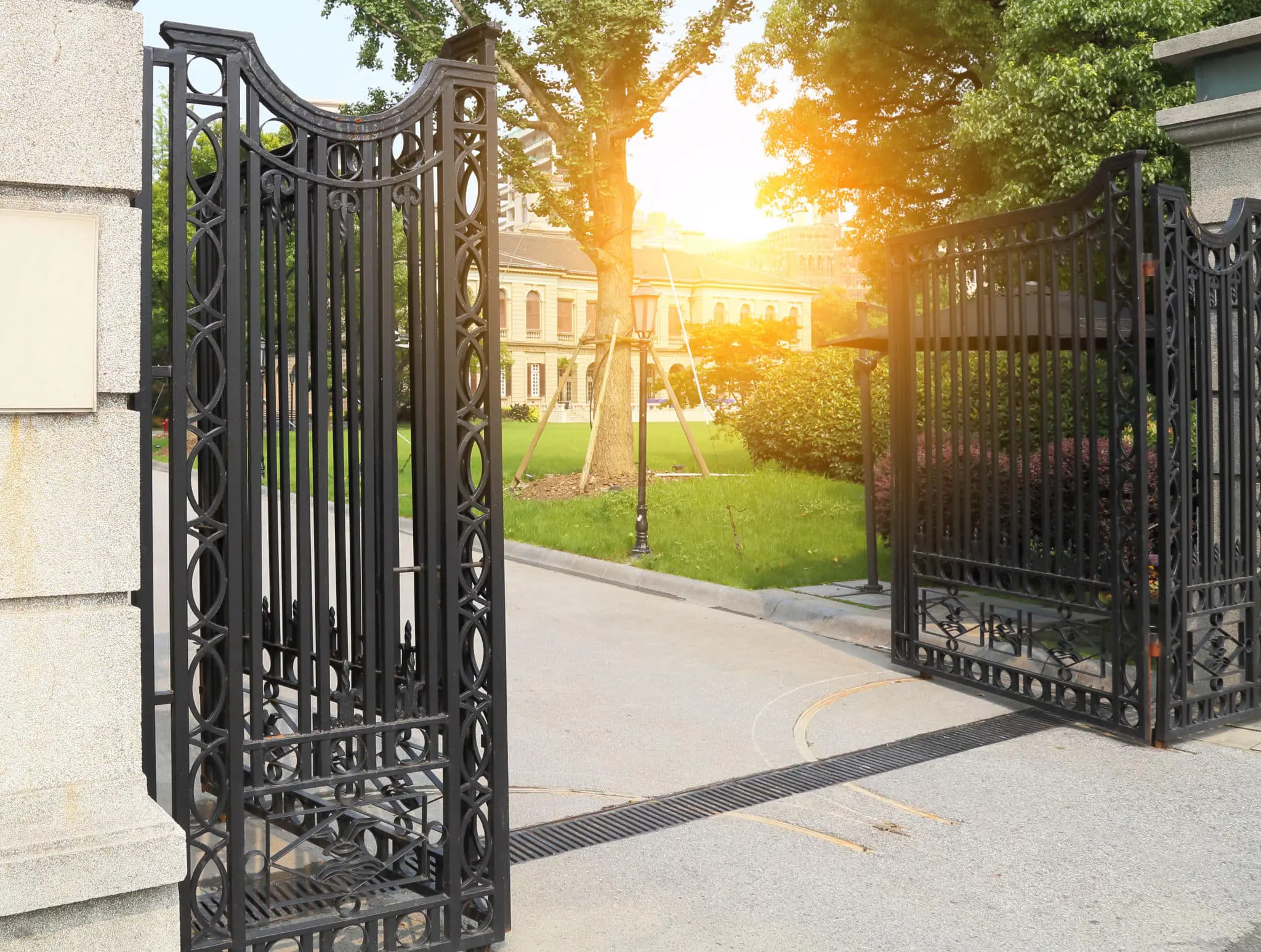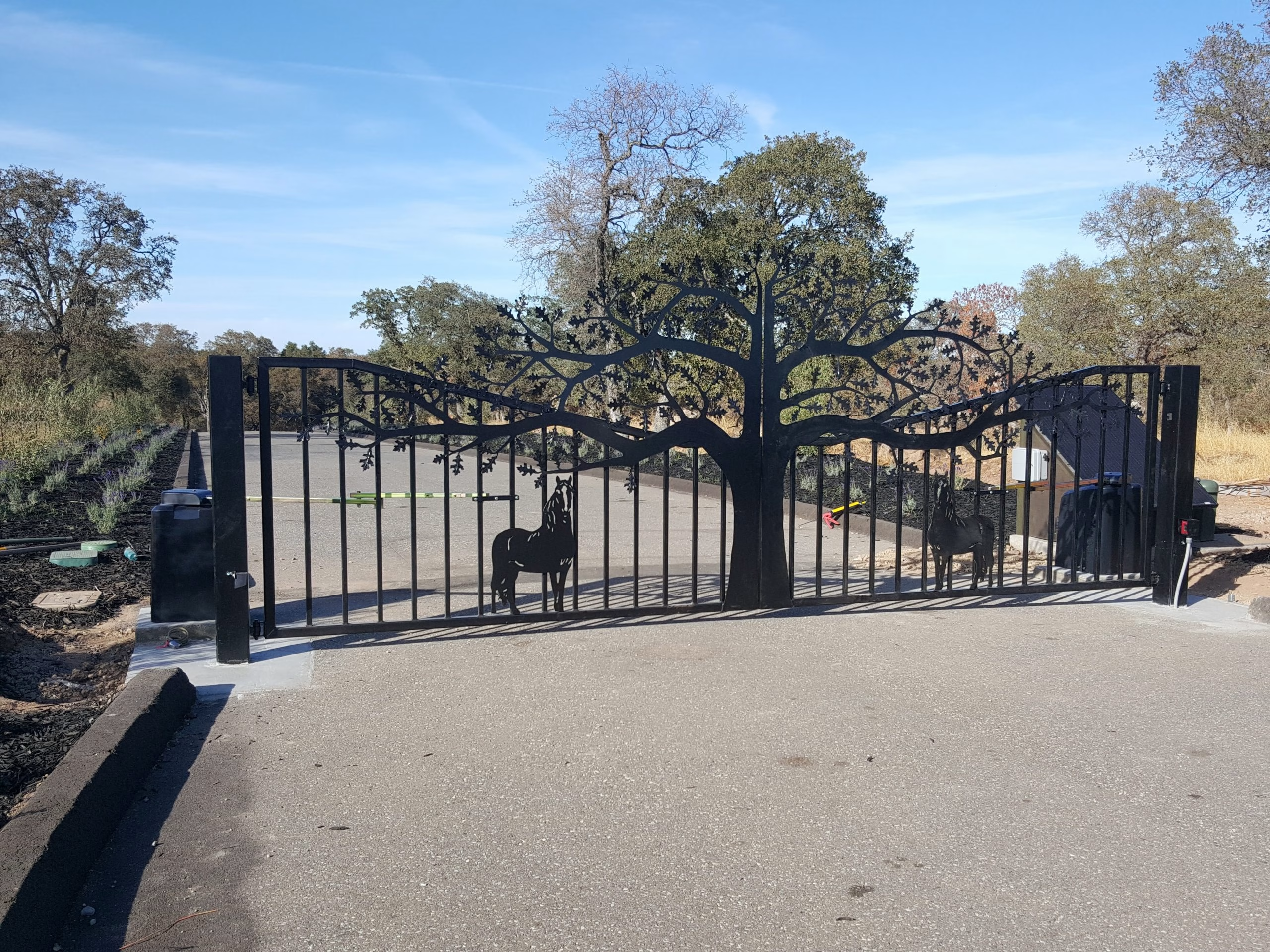
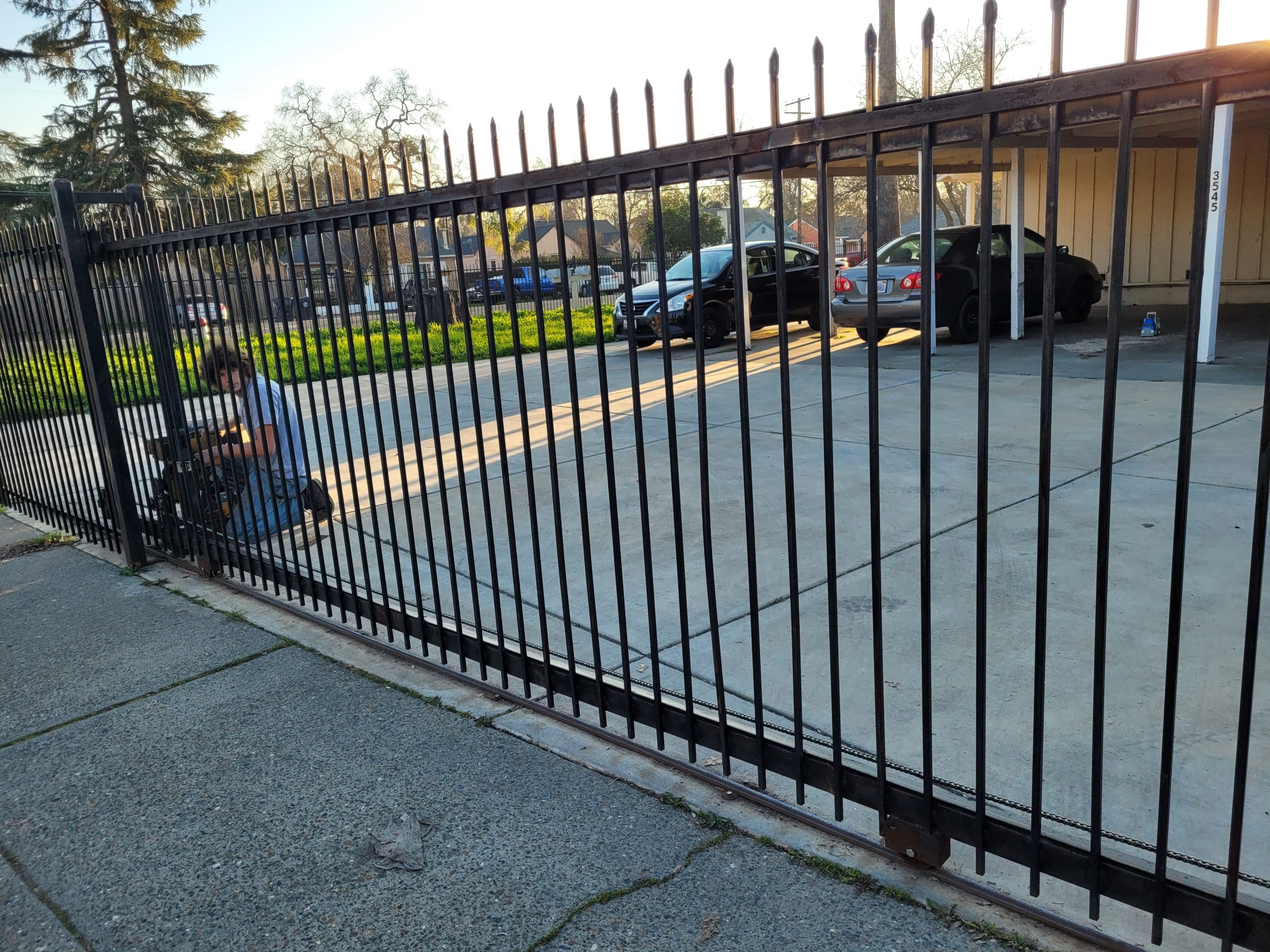
Custom driveway gates in Sacramento, CA improve security, privacy, and curb appeal while reflecting a property’s architectural style and overall gate design. The average cost may depend on the gate material, size, automation features, structural requirements, and the complexity of the custom build.
Custom driveway gates cost in Sacramento, CA varies because each property has different layout conditions, access points, and installation needs. Understanding these cost factors helps property owners make informed decisions and plan solutions that balance durability, performance, and long-term value.
What Should You Expect From a Professional Gate Quote in Sacramento?
A professional quote for a driveway gates cost in Sacramento should explain the full project scope in plain language, so you understand what is included, what conditions could change the plan, and how key choices like materials, automation, and site layout shape the overall investment before any work begins.
Common items a complete quote should cover include:
- Site conditions that affect layout, spacing, and equipment placement.
- Gate size, configuration, and structural support requirements.
- Material and finish selection that affects durability and appearance.
- Automation and access control features, including safety devices and testing.
- Electrical scope, including power access, trenching, and conduit planning.
- Permits or HOA requirements that can impact approval timing.
- Installation schedule, warranty terms, and what service support covers after setup.
To understand how gate design choices affect sizing, materials, and automation scope, read our blog on Custom Driveway Gate Design Ideas That Don’t Feel Cookie-Cutter Mount Door, which explains how property owners match the gate to the home’s architecture.
Key Cost Factors That Influence Your Gate Budget
Gate Size, Span, and Overall Layout
Gate size and layout set the baseline for structural needs, hardware load, and the amount of fabrication work your project requires in Sacramento.
Key layout details that shape the scope include:
- Opening width and post spacing across the driveway gate entry
- Swing, slide, or cantilever configuration based on available clearance
- Single leaf versus dual leaf layout for wide spans
- Height and infill coverage tied to privacy goals and sightlines
- Add-on access, like a separate pedestrian gate for daily foot traffic
Wider spans and tighter turning space increase structural demands and hardware load, making custom vehicle gate installation a critical part of long-term stability planning.
Material Selection and Finish System
Choosing the right gate material and finish affects durability, weight, corrosion resistance, and the amount of maintenance expected over time.
Finish and material details that often shape a quote include:
- Iron driveway gates versus aluminum driveway gates based on weight and exposure conditions
- Wood driveway gates and custom wood gates that need sealing and periodic refinishing
- Steel gates for superior strength and structural stability
- Stainless steel accents that support modern sophistication and weather resistance
- Powder coating or paint systems that protect metal gates and help preserve color
Gate material weight can affect operator sizing for electric gates, and our blog on What Are the Best Materials for Custom Driveway Gates? compares options in terms of durability, upkeep, and performance.
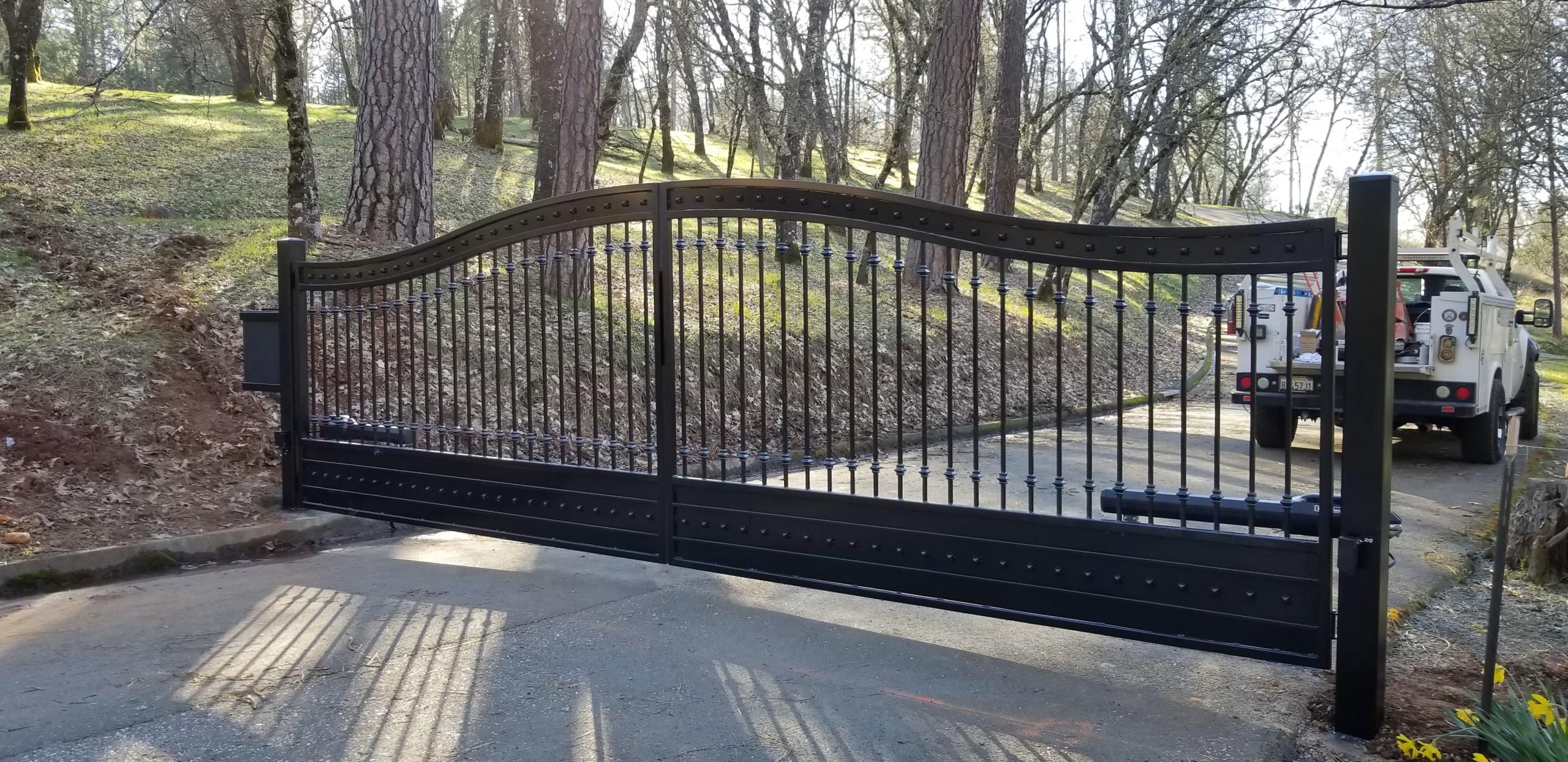
Fabrication Complexity and Decorative Details
Design complexity drives labor hours, welding time, and the level of detail required to deliver the final design
you approve.
Common build details that increase fabrication effort include:
- Scrollwork, pickets, and custom cutouts that require precision fitting
- Decorative tops, finials, and layered panels that add assembly steps
- Mixed-material builds like custom wooden driveway gates framed in steel
- Privacy infill patterns that must stay rigid without warping
- Matching design elements across entrance gates and side sections for consistency
More intricate gate design choices typically require additional fabrication stages to maintain alignment, strength, and a high-end finish.
Automation, Access Control, and Safety Add-Ons
Automation features affect equipment selection, wiring scope, safety devices, and programming time for a reliable daily experience.
Automation-related scope items often include:
- Keypads, remotes, and phone-based entry for ease of use
- Photo eyes and safety edges to reduce entrapment risk
- Vehicle detection loops and exit sensors for smoother traffic flow
- Backup power options to support peace of mind during outages
- Operator class and usage expectations are tied to how often the gate cycles
UL Solutions outlines testing and safety considerations for door, gate, and window access systems, which aligns with the fact that modern automated systems include monitored safety devices and verified operation.
Site Conditions, Grade Changes, and Foundation Requirements
Site conditions determine how much groundwork is needed to keep the gate stable, aligned, and smooth through daily cycles.
Property conditions that commonly shape installation scope include:
- Sloped driveways that change hinge geometry or slide-track alignment
- Soil stability that influences footing depth and post anchoring
- Drainage patterns that can undermine foundations over time
- Setbacks and turning radius needs that affect gate placement
- Space constraints near the garage door or driveway throat limit configuration
Challenging grade and soil conditions often require stronger foundations and extra alignment work to prevent binding and uneven travel.
Permits, Code Requirements, and HOA Review Timing
Local approvals can influence both project timing and design requirements, especially for homes with frontage restrictions or HOA review steps.
Approval-related factors that may affect scheduling include:
- Permit triggers based on scope and structural changes
- Fence and gate height limits tied to visibility and safety zones
- HOA design review timelines that delay the fabrication start
- Inspection scheduling that affects final commissioning
- Documentation requirements for powered systems and access controls
The City of Sacramento notes permits may be required for structural and electrical improvements, so confirming requirements early helps keep a custom driveway gate installation in Sacramento, CA, compliant and on schedule.
Electrical Scope, Trenching, and Power Availability
Power planning affects labor, conduit runs, and the ease of installing and servicing automation over time.
The electrical scope commonly depends on:
- Distance from the panel to the gate operator location
- Trenching length and conduit routing across hardscape
- Dedicated circuit needs for reliable operation
- Low-voltage wiring for access control devices and call boxes
- Placement of photo eyes, loops, and control boards for consistent performance
Power distance, conduit routing, and trench depth directly affect labor and system setup, and gate operator installation often becomes a primary cost driver in automated driveway gate projects.
Existing Gate Removal, Post Replacement, and Hardware Upgrades
Replacement projects often include hidden scope tied to removing older equipment and rebuilding supports to meet current performance needs.
Upgrade-related items that can affect the quote include:
- Removal and disposal of old metal driveway gate sections and hardware
- Post replacement if movement, rust, or cracking affects alignment
- Hinge, roller, or track upgrades to reduce strain and noise
- Operator replacement to match updated weight and cycle requirements
- Wiring corrections if older installs do not support safer automation features
Aging components and shifting posts can quickly expand the scope, and many replacement projects require gate operator repairs to restore safe, reliable performance.
Labor Scope and Project Coordination in Sacramento
Labor scope for custom driveway gates in Sacramento, CA, depends on site prep, installation complexity, electrical coordination, and how smoothly multiple trades stay aligned.
- Site prep and layout verification: Measurements, grade checks, and post-placement planning lay the foundation for reliable operation.
- Concrete and structural work: Footings, posts, and reinforcement must support the gate’s weight and daily cycles.
- Electrical and access control setup: Power delivery, wiring, and device programming affect automation readiness and ease of use.
- Operator mounting and safety testing: Motor calibration, sensor alignment, and verified safety function protect performance and peace of mind.
- Inspections and closeout steps: Final walkthrough, documentation, and scheduling coordination keep the project on track.
Clear coordination reduces delays and helps ensure the custom driveway gate installation is completed with stable alignment, smooth operation, and dependable access control.
Automation and Access Control Features That Affect Cost
Automation choices for custom driveway gates affect equipment scope, safety requirements, and overall cost considerations in Sacramento, CA.
- Entry methods: Keypads, remotes, and phone-based controls shape daily access and system complexity.
- Vehicle detection: Loops and exit sensors improve flow and reduce manual operation.
- Safety devices: Photo eyes and monitored edges support safer electric gates and reliable stopping behavior.
- Power support: Battery backups and surge protection improve reliability during outages or unstable power.
- Usage demands: Cycle frequency influences operator selection, durability needs, and long-term performance.
More advanced access control and safety features usually increase scope, but improved ease of use and peace of mind often justify the upgrade.
Sacramento-Specific Considerations That Shift Quotes
Sacramento, CA, quotes for custom driveway gates can vary based on local site conditions, neighborhood requirements, and the system’s year-round performance.
- Soil and footing needs: Ground conditions affect post depth, stability, and long-term alignment.
- Heat and sun exposure: Finish selection matters for color hold and surface protection on metal gates.
- Property layout and access: Tight driveways, turns, and clearances determine which gate best fits.
- Neighborhood review steps: HOA guidelines and design approvals can affect scheduling and scope documentation.
- Seasonal scheduling pressure: Installer availability and lead times can vary with local demand cycles.
Local conditions often determine what the build requires beyond the gate itself, which is why two Sacramento properties can receive very different quotes.
When a Custom Gate Becomes Worth It for Sacramento Properties
A custom gate becomes worth it in Sacramento when security, convenience, and long-term property value gains matter as much as the initial cost considerations.
- Stronger security and access control: Better control over entry gate access can support peace of mind for property owners.
- Higher property value potential: Custom gates often improve first impressions and perceived quality for buyers.
- Daily ease of use: A custom automatic gate can reduce hassle compared to manually opening your own gates.
- More privacy at the entrance: Entrance gates can block unwanted visibility while still fitting the home’s architecture.
- Better curb appeal impact: A well-planned gate design can create a grand entrance and lift the home’s curb appeal.
Value is easier to judge when comparing safety, convenience, and long-term benefits, and our guide on Are Custom Driveway Gates Worth It in Sacramento? explains what makes the upgrade a good choice for different properties.
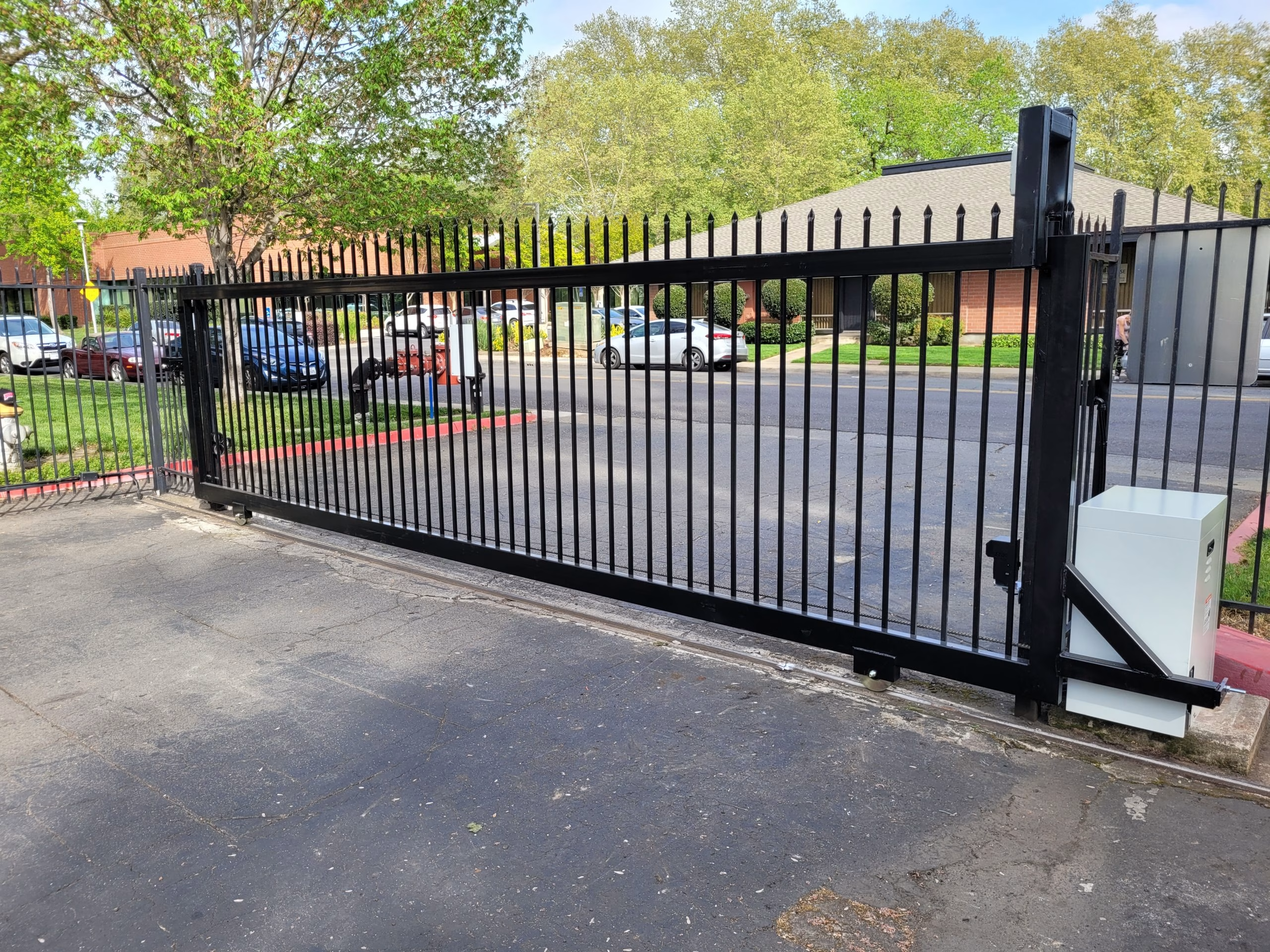
Get an Accurate Quote for Custom Driveway Gates in Sacramento
Custom driveway gates are priced based on factors such as size, gate material, automation scope, site conditions, and the final design details you approve. Clear planning helps property owners protect curb appeal, choose the right material, and avoid surprises during the build and installation process.
Whether you live in Auburn, Elk Grove, Folsom, Rancho Cordova, Citrus Heights, Galt, West Sacramento, East Sacramento, Land Park, Natomas, Oak Park, Davis, Roseville, or Rocklin, Central Valley Gates & Access Controls can secure your property and make your home into your castle!
Contact us or give us a call today to review your options and schedule your free estimate consultation.